



With prosthetics on the horizon and a sense of optimism, Ruth’s decision highlights themes of resilience, disability awareness, and representation. Her story reminds us that sometimes, letting go of pain is the first step toward reclaiming life and redefining strength.
Introduction to Ruth Codd Recovering :
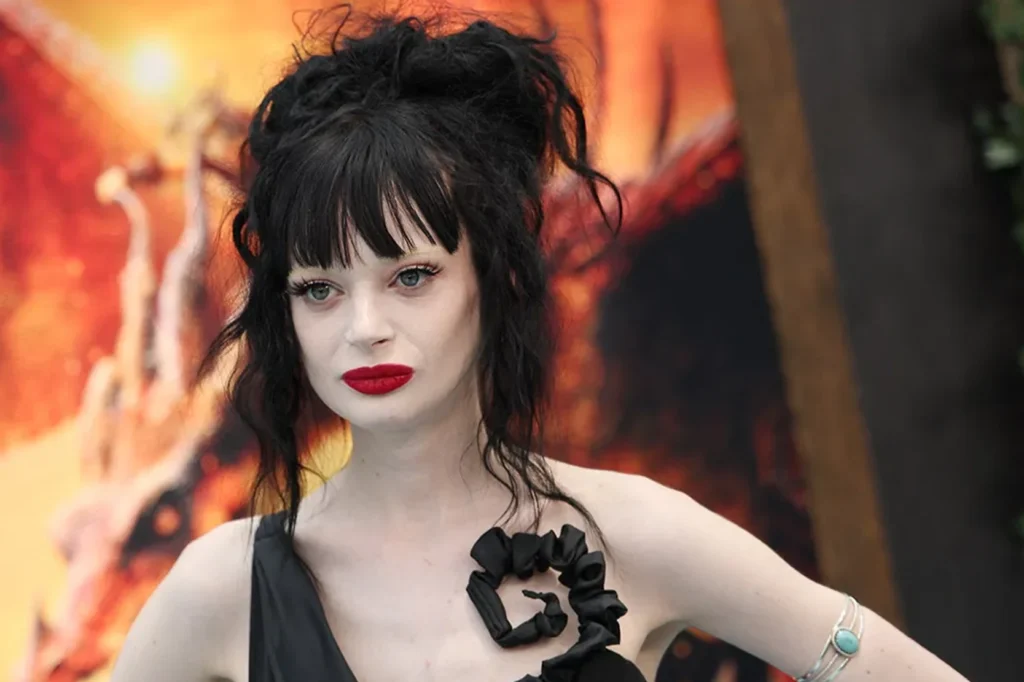
When the news broke that actress Ruth Codd had undergone a second below-knee amputation, many were shocked but for Ruth, it wasn’t just a drastic change; it was a considered decision to reclaim her quality of life. At 29, she revealed in a candid video that after years of chronic pain and failed surgeries, she chose to amputate her second leg. The update highlighted not only the physical toll of months on crutches and surgeries, but also her determination, resilience, and refusal to let disability define her.
Her journey from a teenage football injury to a prominent career on TikTok and Netflix shows the difficult path some amputees face. Yet, Ruth’s transparency, humour and strength turned her ordeal into a message of hope and representation for people living with disabilities. Through this article, I’ll walk you through Ruth’s situation, her recovery path, what this second amputation means, and how such steps reflect real decisions many make when faced with irreversible mobility issues.
Short-term plans are affordable but may lack comprehensive benefits like preventive care or maternity coverage.
What led to The Second Amputation:
Ruth’s leg troubles began when she was 15 a football injury caused chronic pain and nerve damage that never fully healed. Over the years, she underwent multiple surgeries, hoping for relief. But the healing never lasted; repeated operations and relentless pain finally compelled her to make a life-altering choice.
At age 23, she had her right leg amputated below the knee. Her first amputation gave her a semblance of relief but it wasn’t the end of her struggle. Walking on crutches for extended periods caused strain, and medical complications followed: at one point she even had all her toes removed because of damage caused by prolonged crutch use.
By 2025, Codd admitted that the remaining leg had deteriorated: years of imbalance, joint damage, and persistent pain made it clear the limb would likely never support a healthy, pain-free life. In her own words, after everything she had been through: “It’s gone past the point where they can do anything about it.” So, the second amputation wasn’t impulsive it emerged from years of medical adversity, and a desire to stop further pain and prevent more invasive interventions that would offer little hope of lasting mobility.
The Announcement and Immediate Reaction:
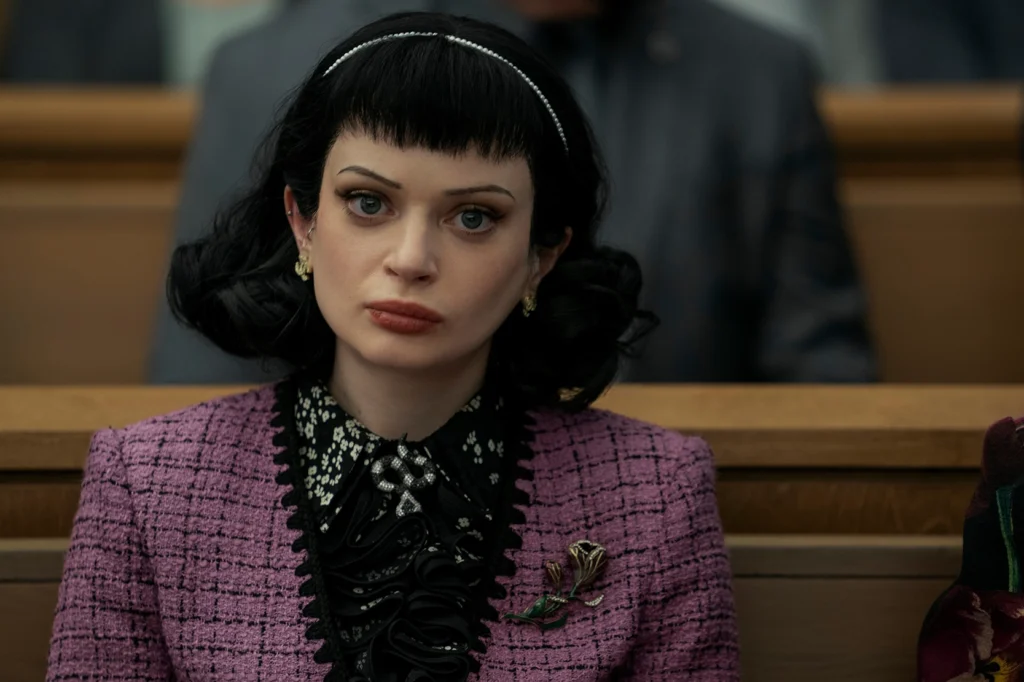
On November 26, 2025, Ruth shared a video on social media. In typical Ruth fashion honest, darkly humorous, and unwavering she began: “Hi guys, so I have some good news and some bad news.” The “good”: she was back making TikTok content from her parents’ home. The “bad”: she had undergone a second below-knee amputation, meaning she could no longer use her old filming setup upstairs. Then, she introduced her new wheelchair affectionately named “Fat Tony” joking about its “top speed of f*** all per hour especially if there’s a step involved.”
Understandably, the post drew an outpouring of support. Fans and followers flooded the comments with messages of love, encouragement, and admiration. While some expressed sadness and shock, many celebrated her bravery seeing the decision not as defeat, but as an act of self-care and liberation. Ruth replied with her typical candor: “Guys, stop being so nice to me it’s weirding me out.” Media outlets described the announcement as “a lot to unpack,” capturing both the gravity of her medical journey and the light-hearted courage in how she shared it.
Recovery What’s next for Ruth Codd:
Right after the surgery, Ruth is currently in recovery mode: resting at home, using her wheelchair, and navigating life with both legs amputated. According to reports, she and her medical team expect a healing period of at least one month before fitting prosthetics.
Once healed, she plans to resume her content creation and acting work and she is optimistic. In her own words: having “two prosthetics,” she believes, will make her “pretty unstoppable.”
Her recovery journey will likely involve physiotherapy, adaptation to prosthetics, learning to navigate mobility through wheelchair and new limbs, and significant mental and emotional adjustment. Given her previous history coping with chronic pain, surgeries, toe amputation the process won’t be easy. But Ruth’s transparency, humour and resilience make it a powerful story of human determination.
Why Ruth Codd’s Story Matters Representation, Disability Awareness, and Resilience:
Ruth’s experience underscores a bigger conversation beyond celebrity news. First: visibility. In entertainment especially on platforms like streaming and social media people with disabilities remain underrepresented. Ruth’s openness challenges that invisibility. Her journey shows that disability is not a limitation, but one dimension of life.
Second: disability awareness. By sharing her physical pain, surgeries, decision-making and recovery, she shines a light on the long-term impact of injuries, crutches, nerve damage circumstances many people silently endure. Her willingness to speak publicly adds nuance and empathy to how society views amputees and those living with disabilities.
Third: resilience and agency. Rather than letting her condition define her, Ruth took control making a tough, personal decision with dignity. Her humour and authenticity show that resilience isn’t about being unbreakable; it’s about acknowledging pain, making hard choices, and choosing life. For many, Ruth’s story may offer hope: that even after significant loss, one can rebuild identity, purpose, and continue to pursue dreams stronger, more real, more human.