



Understanding cholesterol and heart health starts with a distinction: your body needs cholesterol, but too much in your blood can contribute to artery disease. High cholesterol usually has no signs or symptoms, so blood testing is important. This information is useful for adults reviewing their heart health and parents considering cholesterol testing for children.
According to MedlinePlus’s guide to cholesterol, testing schedules and decisions about managing cholesterol depend on factors such as age, family history, and other health risks.
How cholesterol and heart health are connected
Cholesterol is a waxy, fat-like substance found in every cell. Your body uses it to make hormones, vitamin D, and substances that help digest food. Your body makes all the cholesterol it needs. Cholesterol is also present in animal-source foods, including egg yolks, meat, and cheese.
Excess cholesterol in the blood can combine with other substances to form plaque on artery walls. This buildup, called atherosclerosis, can narrow or block the coronary arteries that supply the heart.
If plaque breaks open, a blood clot can form and block blood flow. Reduced or blocked blood flow to the heart can cause angina, or chest pain, or a heart attack. Plaque in other arteries can contribute to stroke, carotid artery disease, and peripheral arterial disease.
What LDL, HDL, and VLDL mean
These terms describe lipoproteins—combinations of fat and protein that transport fats through the blood. They have different roles:
- LDL, or low-density lipoprotein: Often called “bad” cholesterol because high levels contribute to plaque buildup in arteries.
- HDL, or high-density lipoprotein: Often called “good” cholesterol because it carries cholesterol back to the liver, which removes it from the body.
- VLDL, or very low-density lipoprotein: Also contributes to plaque buildup. Unlike LDL, which mainly carries cholesterol, VLDL mainly carries triglycerides.
What can raise cholesterol?
MedlinePlus identifies an unhealthy lifestyle as the most common cause. Eating too much saturated fat can raise LDL. Sources include red meat, full-fat dairy products, chocolate, some baked goods, and many deep-fried and processed foods.
Little physical activity can lower HDL. Smoking lowers HDL and raises LDL. Stress may increase hormones that cause the body to make more cholesterol, while too much alcohol can raise total cholesterol.
Other factors also matter. Cholesterol tends to rise with age, although children and teens can have high levels. Risk increases after menopause, and being overweight or having obesity raises cholesterol levels.
Family history, diabetes, chronic kidney disease, HIV, lupus, and certain medicines can affect cholesterol or its risk. Familial hypercholesterolemia is an inherited condition that causes very high blood cholesterol.
When cholesterol testing is recommended
A blood test measures cholesterol levels. MedlinePlus gives these general testing recommendations:
- Age 19 or younger: First testing between ages 9 and 11, then every five years. Some children may start at age 2 if there is a family history of high cholesterol, heart attack, or stroke.
- Ages 20 to 65: Younger adults generally have testing every five years. Men ages 45 to 65 and women ages 55 to 65 generally have testing every one to two years.
- Over age 65: Testing every year.
Discuss timing with a health care professional, since age, risk factors, and family history influence when and how often testing is needed.
Managing cholesterol with professional guidance
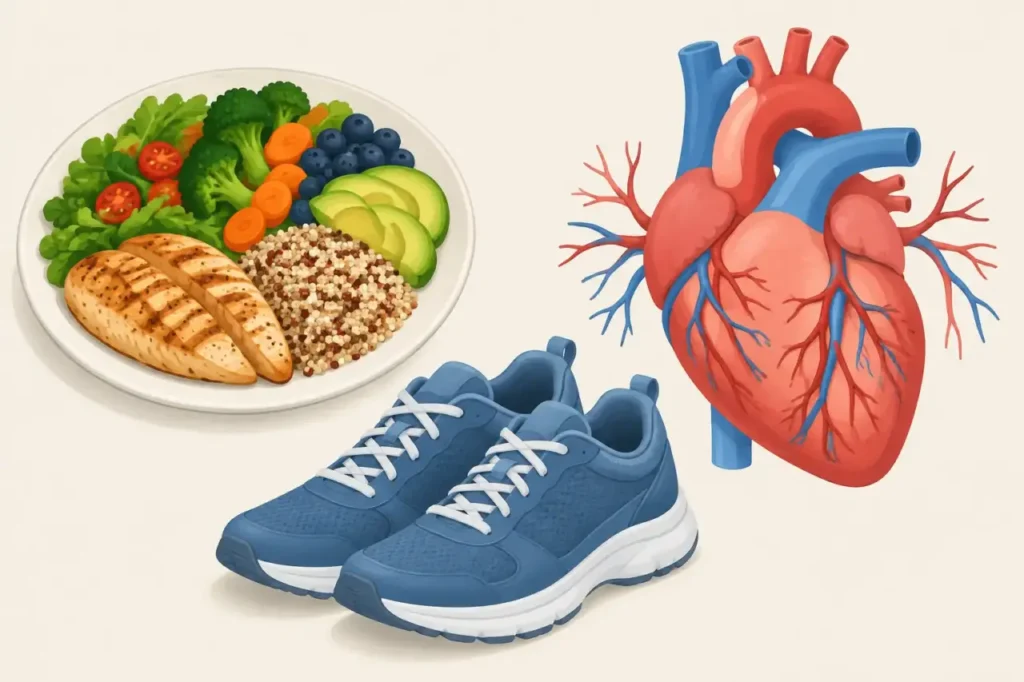
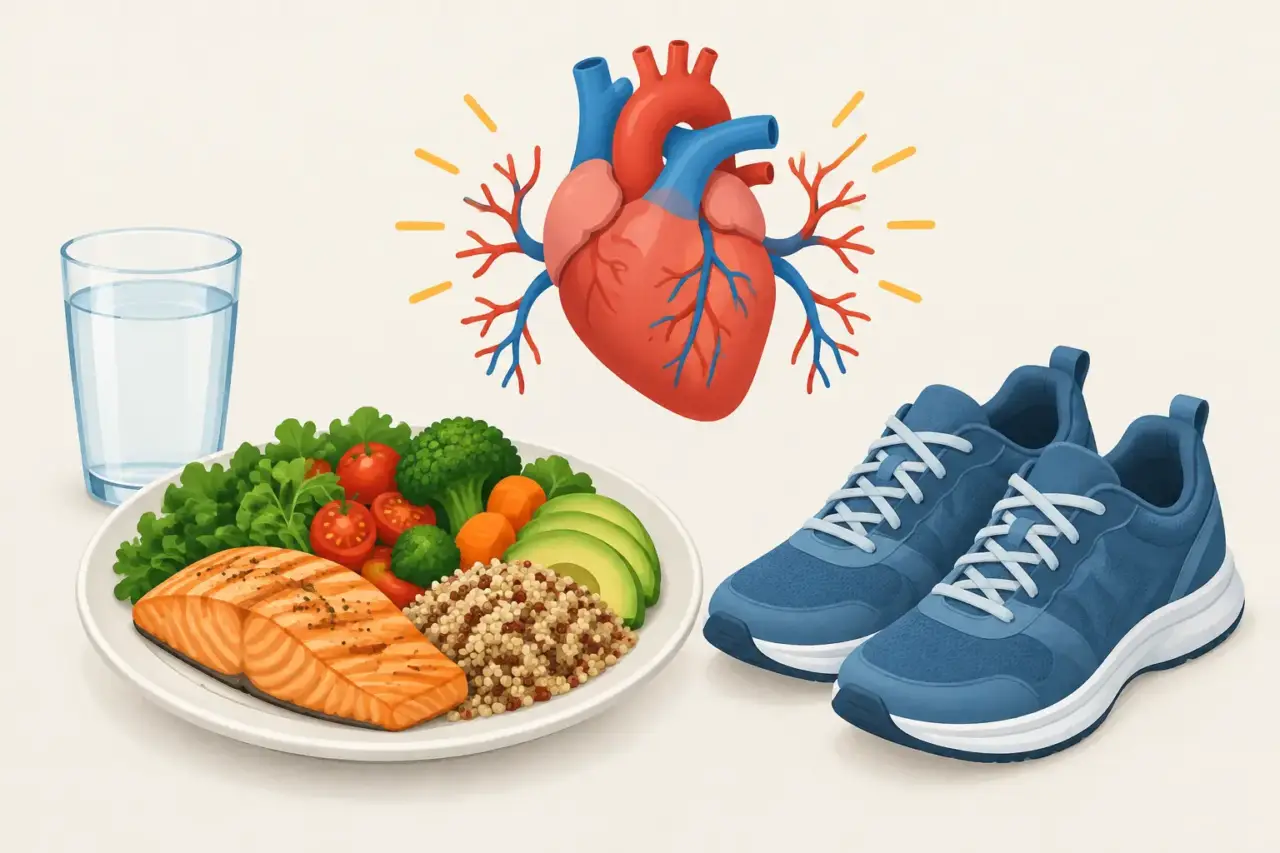
Heart-healthy eating, weight management, and regular physical activity can help lower cholesterol. If lifestyle changes do not lower it enough, medicines may also be needed. Available options include statins. Lifestyle changes remain important even when taking cholesterol-lowering medicine.
A health care professional can assess whether medicine is needed. Some people with familial hypercholesterolemia may receive lipoprotein apheresis, a treatment that filters LDL from the blood.
Frequently Asked Questions
Can I tell if my cholesterol is high?
Usually not. High cholesterol typically has no symptoms; a blood test is used to measure it.
Can children have high cholesterol?
Yes. Although less common than in older adults, high cholesterol can occur in children and teens, including those with inherited conditions.
Do medicines replace lifestyle changes?
No. MedlinePlus recommends continuing heart-healthy lifestyle changes even when taking cholesterol-lowering medicines.