
By using this site, you agree to the Privacy Policy and Terms And Conditions. We use cookies to enhance your browsing experience, serve personalized ads or content, and analyze our traffic. By clicking "Accept All", you consent to our use of cookies.
Accept
Khaga PharmacyKhaga PharmacyKhaga Pharmacy
  • HomeHome
  • Health BlogHealth Blog
    • NeuroscienceNeuroscience
  • Health NewsHealth News
  • Web StoriesWeb Stories
  • PagesPages
    • BookmarksBookmarks
    • About UsAbout Us
Reading: FDA approves Wilserdly for early-stage breast cancer
Share
Notification Show More
Font ResizerAa
Khaga PharmacyKhaga Pharmacy
Font ResizerAa
  • Health BlogHealth Blog
  • NeuroscienceNeuroscience
  • Health NewsHealth News
  • BookmarksBookmarks
Search
  • HomeHome
  • Health BlogHealth Blog
  • NeuroscienceNeuroscience
  • Health NewsHealth News
  • Web StoriesWeb Stories
  • PagesPages
    • BookmarksBookmarks
    • About UsAbout Us
Follow US
  • Contact Us
  • Privacy Policy
  • Terms And Conditions
  • About Us
  • Affiliation
  • Disclaimer
  • Editorial Policy
  • Use Of Cookies
© 2024 khagapharmacy.com
Khaga Pharmacy > Health News > FDA approves Wilserdly for early-stage breast cancer
Health News

FDA approves Wilserdly for early-stage breast cancer

The approval adds a postsurgery option for adults with certain hormone-sensitive tumors and intermediate to high recurrence risk.

Rahul Priydarss
Last updated: 25 November 2026 2:43 AM
Rahul Priydarss
5 hours ago
Share
5 Min Read
Wilserdly for early-stage breast cancer — Illustration of an oral medication bottle, tablet, and breast cancer awareness ribbon.
SHARE
Highlights
  • The approval covers adults with ER-positive, HER2-negative stage I–III breast cancer at intermediate to high recurrence risk after surgery.
  • At three years, 92.4% taking Wilserdly were alive and free of invasive breast cancer, compared with 89.6% receiving standard hormone therapy.
  • Whether Wilserdly helps patients live longer remains under study; side effects and pregnancy-related risks require attention.

The U.S. Food and Drug Administration approved Wilserdly for early-stage breast cancer on November 23, 2026, adding a hormone therapy option after surgery for certain adults. The once-daily oral tablet, also called giredestrant, is the first new hormone therapy approved for early-stage breast cancer in more than 20 years, according to the FDA’s approval announcement.

Contents
Who can receive Wilserdly for early-stage breast cancer?What did the clinical trial show?Understanding the absolute differenceSide effects and questions for the oncology teamFrequently Asked QuestionsIs Wilserdly approved for every type of early-stage breast cancer?Has Wilserdly been shown to help patients live longer?Is this different from its advanced breast cancer approval?

The decision applies to a specific group, not everyone with breast cancer. The main finding was a reduction in invasive breast cancer recurrence or death compared with standard hormone therapy. Whether the medicine helps patients live longer is still being studied. For related background, see How Is Inflammatory Breast Cancer Rash Diagnosed.

- Advertisement -
Wilserdly for early-stage breast cancer — Illustration of an oral medication bottle, tablet, and breast cancer awareness ribbon.

Who can receive Wilserdly for early-stage breast cancer?

The approval covers adults with estrogen receptor–positive, HER2-negative stage I, II, or III breast cancer who have an intermediate to high risk of recurrence following surgery. This is the most common breast cancer subtype. For related background, see Real Breast Cancer Rash Pictures and Diagnosis.

In estrogen receptor–positive cancer, estrogen attaches to receptor proteins on cancer cells and signals them to grow. Wilserdly belongs to a class called oral estrogen receptor antagonists. It blocks that process and breaks down the receptors, cutting off a key driver of tumor growth.

The early-stage approval is for Wilserdly used alone as the cancer treatment after surgery. However, women who have not completed menopause should also receive an additional hormone-suppressing medicine. Men may also receive that medicine, as determined by their healthcare provider.

What did the clinical trial show?

The approval was based on the randomized, multicenter lidERA Breast Cancer trial, which enrolled 4,170 adults with this cancer subtype at intermediate to high recurrence risk. Participants received either Wilserdly or standard hormone therapy for up to five years. Standard treatment was tamoxifen or an aromatase inhibitor: anastrozole, letrozole, or exemestane.

- Advertisement -

Wilserdly reduced the relative risk of invasive breast cancer recurrence or death by 30%. During follow-up, 140 patients in the Wilserdly group experienced one of these events, compared with 196 in the standard-treatment group.

Understanding the absolute difference

At three years, 92.4% of patients taking Wilserdly were alive and free of invasive breast cancer, compared with 89.6% taking standard hormone therapy. That is a difference of 2.8 percentage points, or about 28 more people out of every 1,000.

The 30% figure is a relative reduction in the combined risk of recurrence or death—not a 30-percentage-point improvement in survival. Patients taking Wilserdly also had a lower risk of cancer returning elsewhere in the body.

Follow-up continues to determine whether Wilserdly improves overall survival. The manufacturer has agreed to submit those results to the FDA as a postmarketing commitment.

- Advertisement -

Side effects and questions for the oncology team

The FDA lists common side effects occurring in at least 10% of patients: muscle and joint pain, hot flashes, tiredness, headache, nausea, slower-than-normal heart rate, dizziness, and numbness or tingling in the hands and feet.

Common blood test changes include increased liver enzymes, lower blood counts, high blood fat levels, and changes in mineral levels and kidney test results. Wilserdly may harm a developing baby if taken during pregnancy.

People considering this option should discuss their cancer subtype, stage, recurrence risk, menopausal status, and potential side effects with their oncology team. Pregnancy or the possibility of pregnancy is also an important topic for professional medical advice. The approval announcement does not establish that every person with early-stage breast cancer should change treatment.

For separate patient-experience coverage, read about Jessie J undergoing breast cancer surgery. This FDA decision specifically concerns medication used after surgery.

Frequently Asked Questions

Is Wilserdly approved for every type of early-stage breast cancer?

No. This approval covers adults with estrogen receptor–positive, HER2-negative stage I–III disease at intermediate to high risk of recurrence after surgery.

- Advertisement -

Has Wilserdly been shown to help patients live longer?

That remains unknown. The trial showed fewer invasive breast cancer recurrences or deaths as a combined outcome. Follow-up is continuing to assess overall survival.

Is this different from its advanced breast cancer approval?

Yes. On November 16, 2026, the FDA approved Wilserdly with everolimus for certain adults with ER-positive, HER2-negative, ESR1-mutated advanced or metastatic breast cancer after recurrence or progression during or after prior endocrine therapy.

You Might Also Like

Does Insurance Cover Invisalign? Unlock Affordable Smiles Today

Ruth Codd Recovering After Second Leg Amputation

Alina Habba Before and After Cosmetic Surgery: What Changed?

Blastomycosis Symptoms Explained: Medicine, Signs and Management

Norovirus Incubation Time: 1st Understanding the Silent Threat

TAGGED:Breast Cancercancer treatmentFDA approvalGiredestrantHormone therapy
SOURCES:FDA.gov
Share This Article
Whatsapp Whatsapp LinkedIn Email Print
ByRahul Priydarss
Follow:
I am professional blog writer with more than 2+ year experience and write 300+ article on many website also publish my thesis on hydrogel.
Previous Article kidneys and urinary system — Illustration of the kidneys, ureters, bladder, and urethra. Understanding kidneys and urinary system topics
Next Article migraine headaches — Illustration of a person resting in a dim room with a cool cloth on their forehead. Understanding migraine headaches: Symptoms, Triggers, and Care
Leave a Comment Leave a Comment

Leave a Reply Cancel reply

Your email address will not be published. Required fields are marked *

Find Us on Socials

- Advertisement -

Latest News

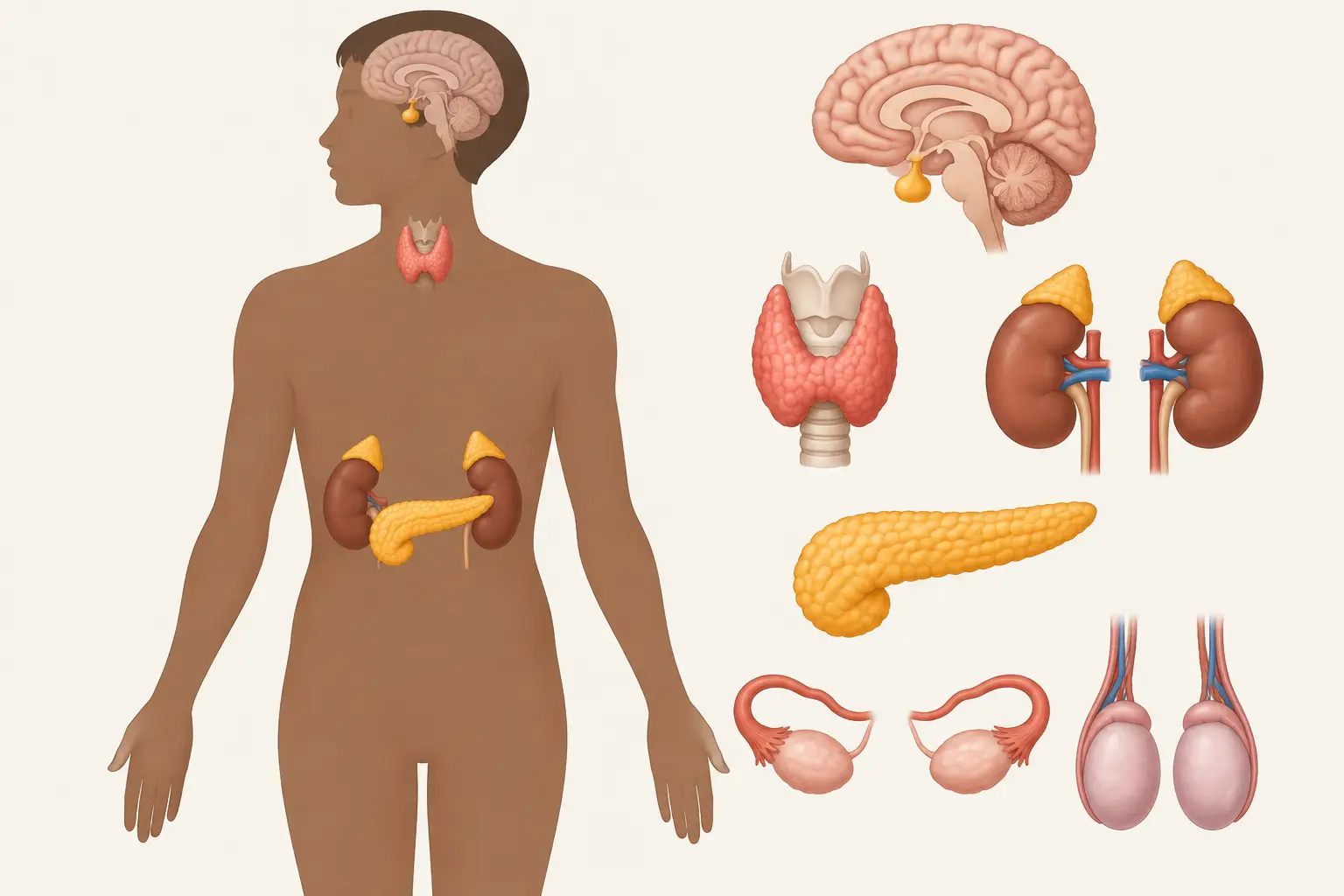
Endocrine System — Educational illustration highlighting selected endocrine glands with separate ovary and testicle illustrations.
Endocrine System: A Guide to Glands and Health Topics
Health Blog
3 hours ago
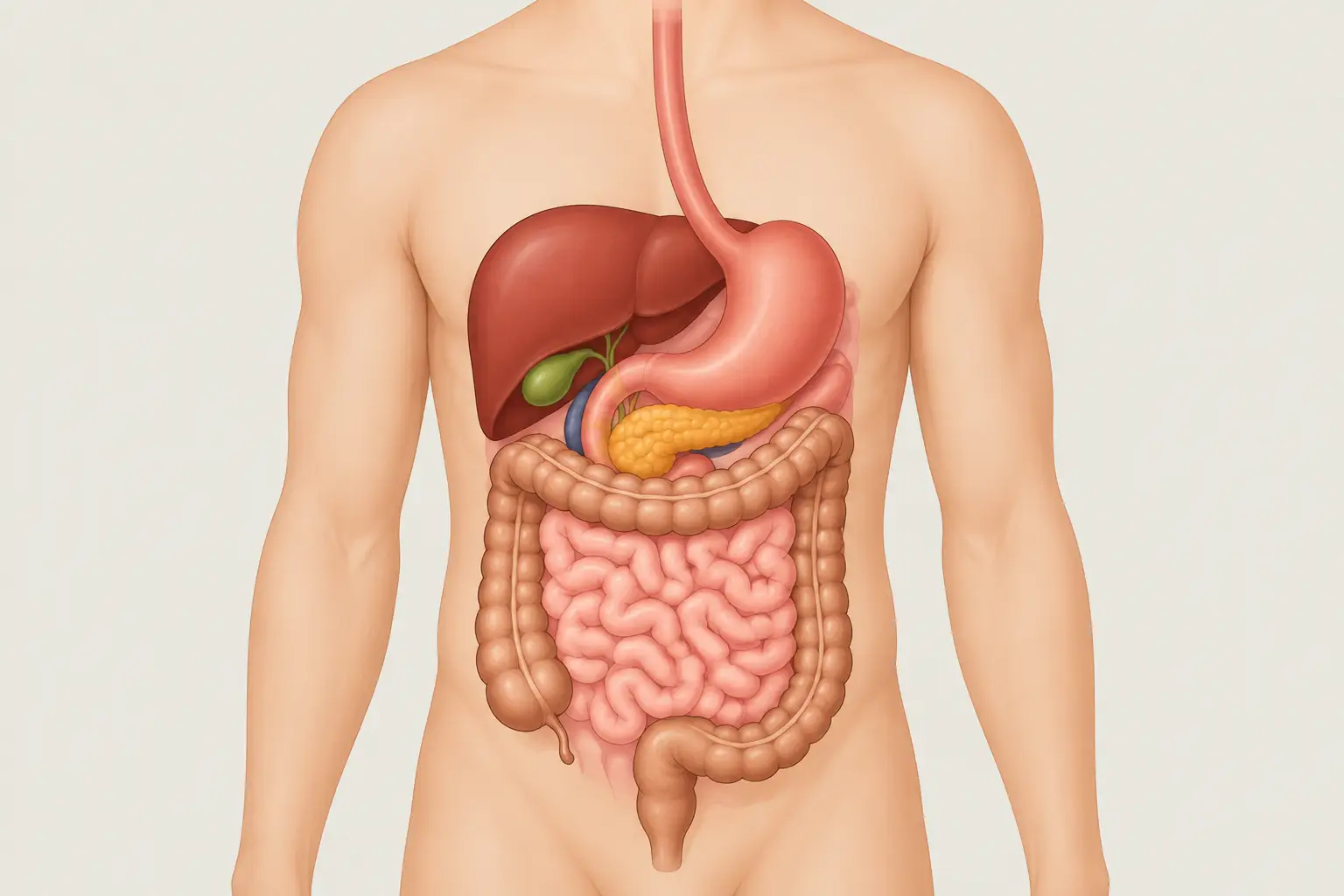
digestive system — Simplified illustration of digestive organs within a human torso.
Your digestive system: A guide to MedlinePlus topics
Health Blog
4 hours ago
migraine headaches — Illustration of a person resting in a dim room with a cool cloth on their forehead.
Understanding migraine headaches: Symptoms, Triggers, and Care
Health Blog
4 hours ago
kidneys and urinary system — Illustration of the kidneys, ureters, bladder, and urethra.
Understanding kidneys and urinary system topics
Health Blog
2 days ago
//

We influence 20 million users and is the number one business and technology news network on the planet

Khaga PharmacyKhaga Pharmacy
Follow US
© 2026 khagapharmacy.com
  • Contact Us
  • Privacy Policy
  • Terms And Conditions
  • About Us
  • Affiliation
  • Disclaimer
  • Editorial Policy
  • Use Of Cookies
Welcome Back!

Sign in to your account

Username or Email Address
Password

Lost your password?