By using this site, you agree to the Privacy Policy and Terms And Conditions. We use cookies to enhance your browsing experience, serve personalized ads or content, and analyze our traffic. By clicking "Accept All", you consent to our use of cookies.
Accept
Khaga PharmacyKhaga PharmacyKhaga Pharmacy
  • HomeHome
  • Health BlogHealth Blog
    • NeuroscienceNeuroscience
  • Health NewsHealth News
  • Web StoriesWeb Stories
  • PagesPages
    • BookmarksBookmarks
    • About UsAbout Us
Reading: Understanding migraine headaches: Symptoms, Triggers, and Care
Share
Notification Show More
Font ResizerAa
Khaga PharmacyKhaga Pharmacy
Font ResizerAa
  • Health BlogHealth Blog
  • NeuroscienceNeuroscience
  • Health NewsHealth News
  • BookmarksBookmarks
Search
  • HomeHome
  • Health BlogHealth Blog
  • NeuroscienceNeuroscience
  • Health NewsHealth News
  • Web StoriesWeb Stories
  • PagesPages
    • BookmarksBookmarks
    • About UsAbout Us
Follow US
  • Contact Us
  • Privacy Policy
  • Terms And Conditions
  • About Us
  • Affiliation
  • Disclaimer
  • Editorial Policy
  • Use Of Cookies
© 2024 khagapharmacy.com
Khaga Pharmacy > Health Blog > Understanding migraine headaches: Symptoms, Triggers, and Care
Health Blog

Understanding migraine headaches: Symptoms, Triggers, and Care

Recognizing symptom patterns and personal triggers can help you discuss relief and prevention with a health care provider.

Rahul Priydarss
Last updated: 25 November 2026 3:03 AM
Rahul Priydarss
4 hours ago
Share
5 Min Read
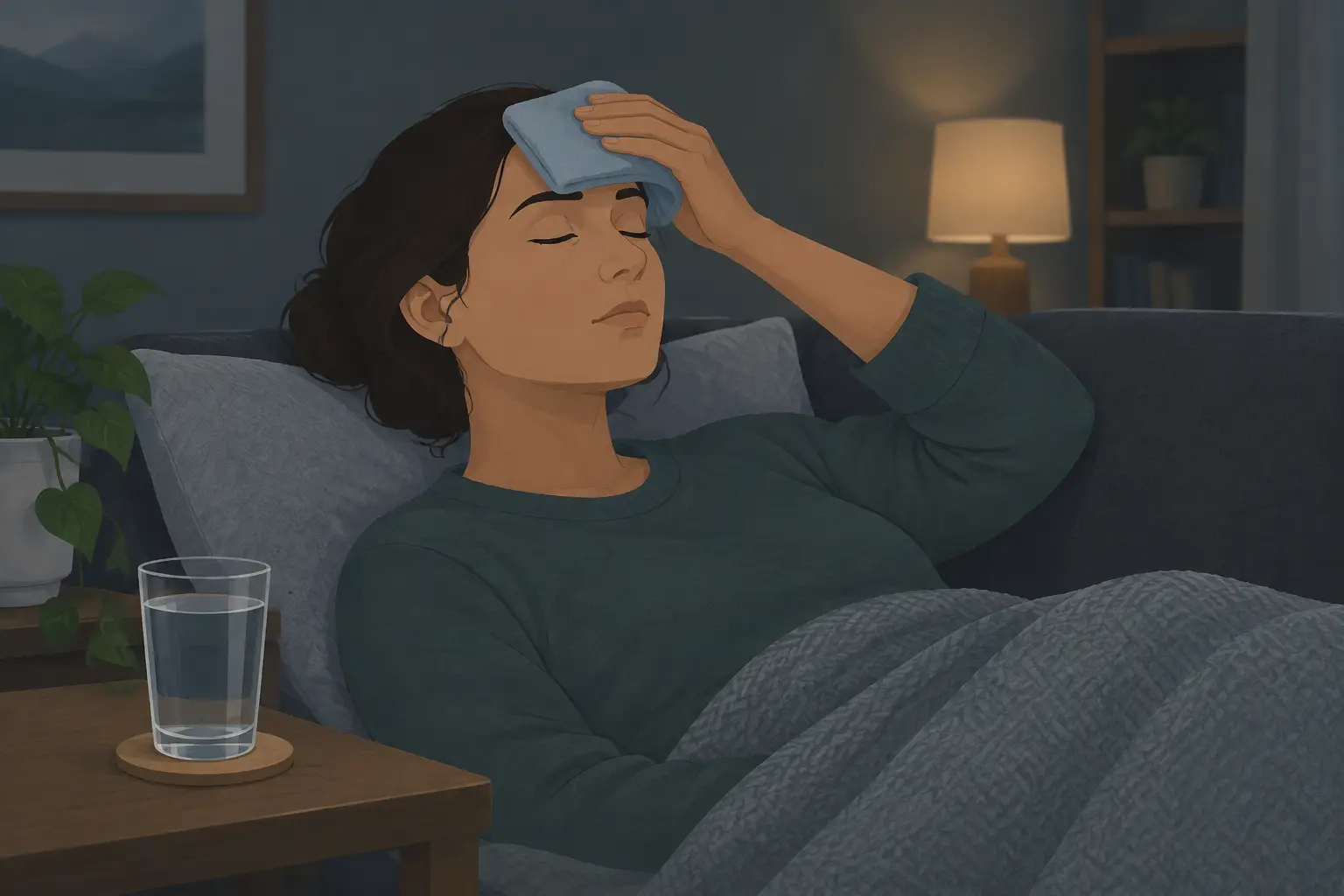
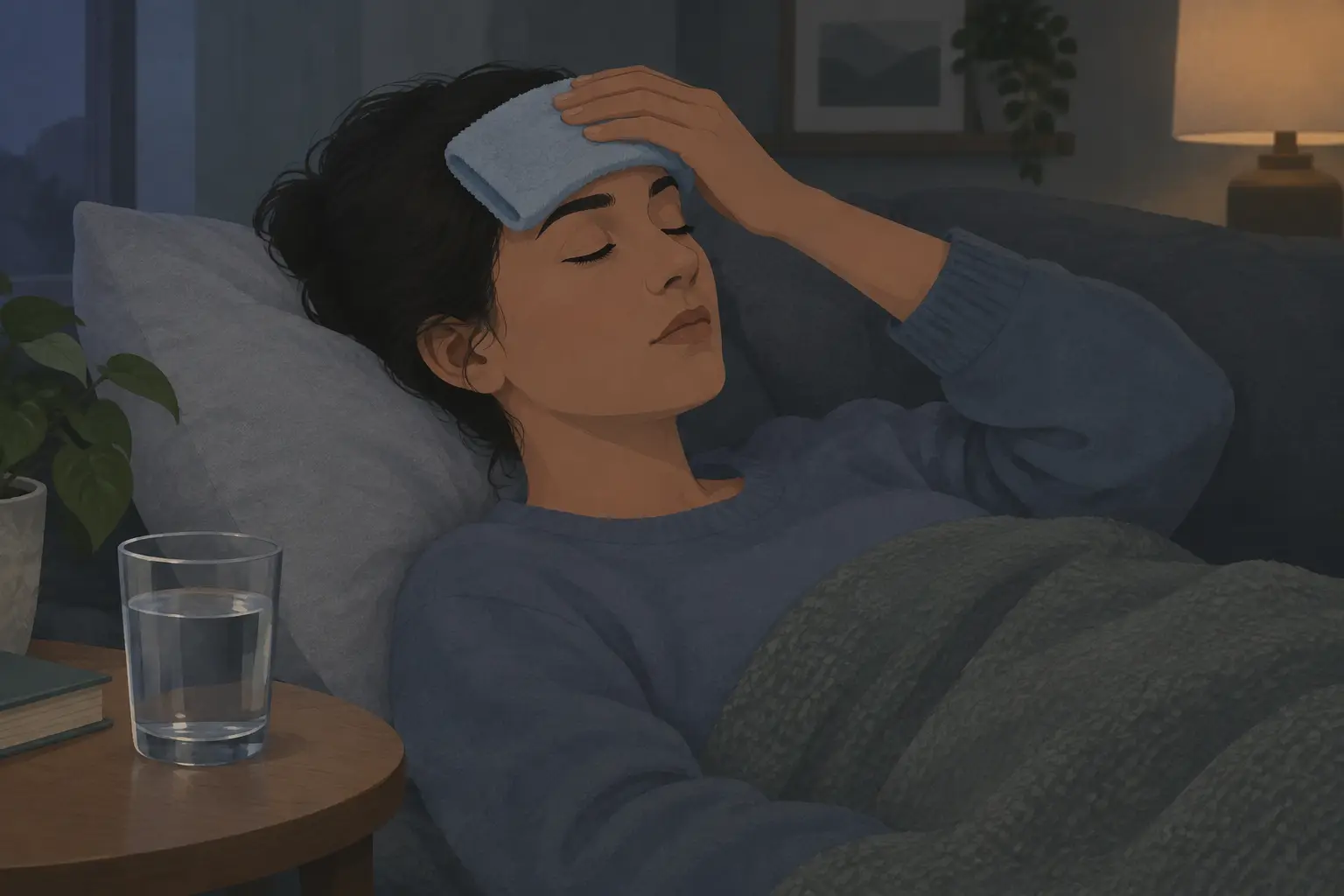
migraine headaches — Illustration of a person resting in a dim room with a cool cloth on their forehead.
SHARE
Highlights
  • Migraine can cause throbbing pain, nausea, and sensitivity to light or sound; some attacks occur without headache.
  • A trigger log may help identify patterns involving sleep, meals, stress, medicines, or certain foods.
  • Frequent or severe migraines may require preventive medicines; discuss options and supplements with a health care provider.

Migraine headaches are recurring headaches that often cause moderate to severe throbbing or pulsing pain, usually on one side of the head. They can also cause nausea, weakness, and sensitivity to light and sound. Understanding these patterns can help people with recurring symptoms prepare for a conversation with a health care provider.

Contents
Recognizing migraine headaches and their phasesCauses, risk factors, and personal triggersHow a health care provider diagnoses migraineRelieving symptoms and reducing future attacksFrequently Asked QuestionsDoes every migraine include an aura?Can keeping a migraine log help?When should I discuss prevention with a provider?

According to MedlinePlus, about 12% of Americans get migraines. There is no cure, but treatment focuses on relieving symptoms and preventing additional attacks.
- Advertisement -
migraine headaches — Illustration of a person resting in a dim room with a cool cloth on their forehead.

Recognizing migraine headaches and their phases

A migraine can have four phases, although not everyone experiences every phase during each attack:

  • Prodrome: Early changes can begin up to 24 hours before the migraine. These may include food cravings, unexplained mood changes, repeated yawning, fluid retention, and increased urination.
  • Aura: Some people see flashing lights, bright lights, or zigzag lines. Muscle weakness or a sensation of being touched or grabbed may occur. Aura can happen before or during a migraine.
  • Headache: Pain usually starts gradually and becomes more severe. Movement, coughing, or sneezing may worsen it. Nausea, vomiting, and sensitivity to light, noise, or odors may accompany the pain.
  • Postdrome: Exhaustion, weakness, and confusion may follow the headache and last up to a day.

Some people have a migraine without a headache. Migraines are also more common in the morning, and some people notice predictable timing, such as before menstruation or after a stressful workweek.

Causes, risk factors, and personal triggers

Researchers believe migraine has a genetic cause. Migraine can affect anyone, but women are three times more likely than men to have it. Family history and conditions such as depression, anxiety, bipolar disorder, sleep disorders, and epilepsy are also associated with a greater likelihood of migraine.

Triggers vary from person to person. They can include stress, anxiety, hormonal changes, bright or flashing lights, loud noises, strong smells, weather changes, overexertion, and tobacco. Too much or too little sleep, skipped meals, caffeine or caffeine withdrawal, and some medicines may also trigger attacks. Taking migraine medicine too often can itself be a trigger.

- Advertisement -

Some people identify food-related triggers, especially in combination with other triggers. Examples include alcohol, chocolate, aged cheeses, MSG, some fruits and nuts, fermented or pickled foods, yeast, and cured or processed meats. These are possible personal triggers, not foods that everyone with migraine must avoid.

How a health care provider diagnoses migraine

Diagnosis involves reviewing your medical history, discussing symptoms, and performing physical and neurological examinations. An important part of the evaluation is ruling out other conditions that could explain the symptoms.

Depending on the evaluation, a provider may also use blood tests, an MRI, a CT scan, or other tests. These tests are not described by MedlinePlus as necessary for everyone.

Relieving symptoms and reducing future attacks

Medicines used for symptom relief include triptans, ergotamine drugs, and pain relievers. MedlinePlus notes that these medicines are more effective when taken sooner during an attack. Discuss medication selection and use with a health care provider, particularly because overuse can trigger migraines.

- Advertisement -

Other measures that may help during an attack include resting with your eyes closed in a quiet, darkened room, placing a cool cloth or ice pack on your forehead, and drinking fluids.

For prevention, keep a log of possible triggers. It may reveal helpful changes, such as maintaining a consistent sleep schedule and eating regular meals. Stress-management approaches, including exercise, relaxation techniques, and biofeedback, may reduce attack frequency and severity.

If migraines are frequent or severe, talk with a provider about preventive medicines. Hormone therapy may help some women with menstrual-cycle-linked migraines, and weight loss may help people with obesity. Always check with a provider before taking supplements; MedlinePlus notes possible benefits from some supplements but cautions that butterbur may not be safe for long-term use.

Frequently Asked Questions

Does every migraine include an aura?

No. Aura is one possible phase, and people do not necessarily experience every phase with each migraine.

Can keeping a migraine log help?

Yes. Recording suspected triggers may help identify foods, medicines, sleep patterns, or meal patterns associated with attacks.

- Advertisement -

When should I discuss prevention with a provider?

Frequent or severe migraines are a reason to discuss preventive medicines. A provider can also evaluate symptoms and consider other possible causes.


You Might Also Like

Does St Peters Hospital Has Breast Reduction Surgery?

Understanding Measles Symptoms, Complications, and Prevention

Nose Job Before and After: Tips for a Successful Transformation

Can Precum Cause Pregnancy ?: Find Out How to Stay Protected

Recognizing seasonal allergies: Symptoms and next steps

TAGGED:HeadachesMigraineNeurological HealthPain Management
SOURCES:MedlinePlus
Share This Article
Whatsapp Whatsapp LinkedIn Email Print
ByRahul Priydarss
Follow:
I am professional blog writer with more than 2+ year experience and write 300+ article on many website also publish my thesis on hydrogel.
Previous Article Wilserdly for early-stage breast cancer — Illustration of an oral medication bottle, tablet, and breast cancer awareness ribbon. FDA approves Wilserdly for early-stage breast cancer
Next Article digestive system — Simplified illustration of digestive organs within a human torso. Your digestive system: A guide to MedlinePlus topics
Leave a Comment Leave a Comment

Leave a Reply Cancel reply

Your email address will not be published. Required fields are marked *

Find Us on Socials

- Advertisement -

Latest News

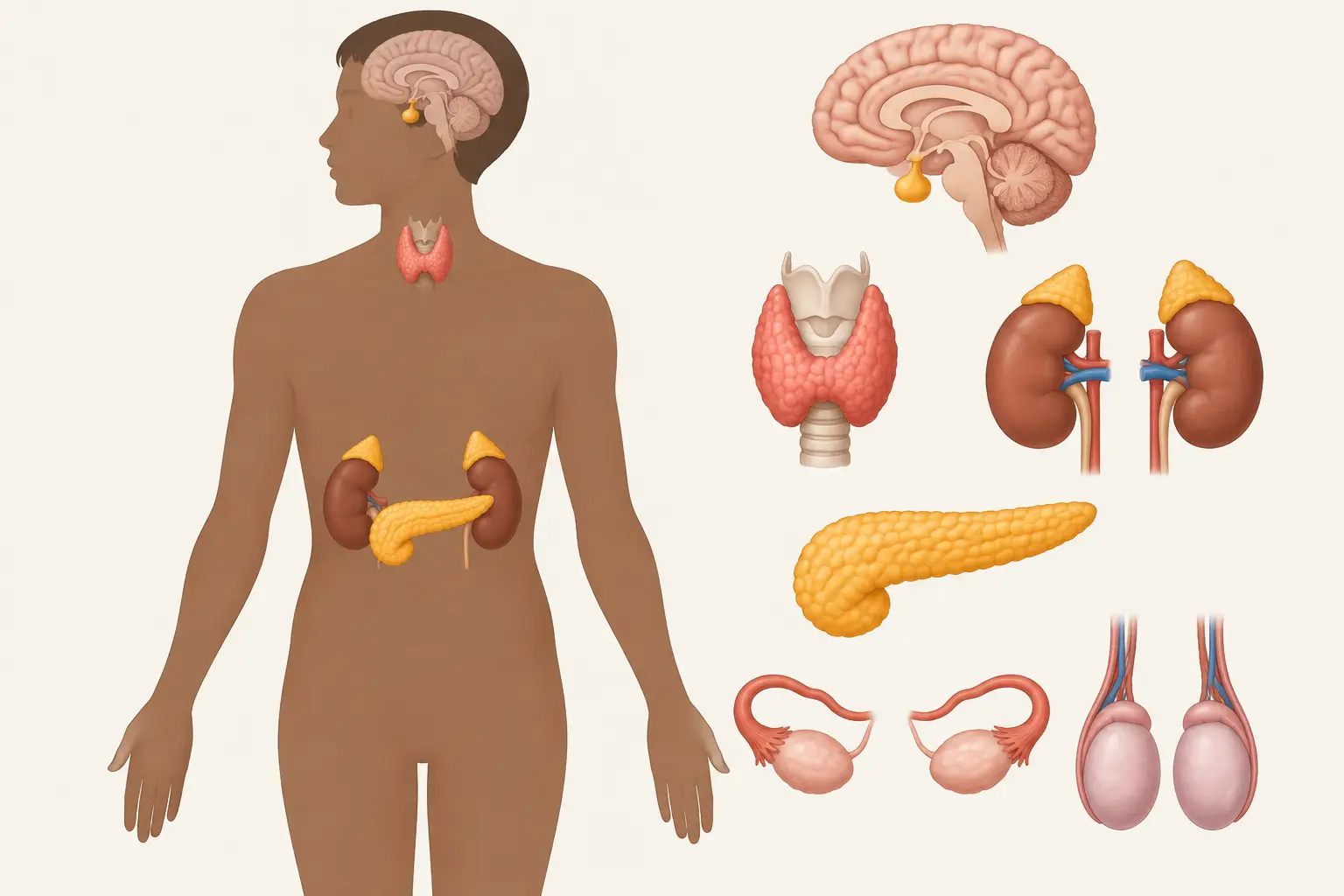
Endocrine System — Educational illustration highlighting selected endocrine glands with separate ovary and testicle illustrations.
Endocrine System: A Guide to Glands and Health Topics
Health Blog
3 hours ago
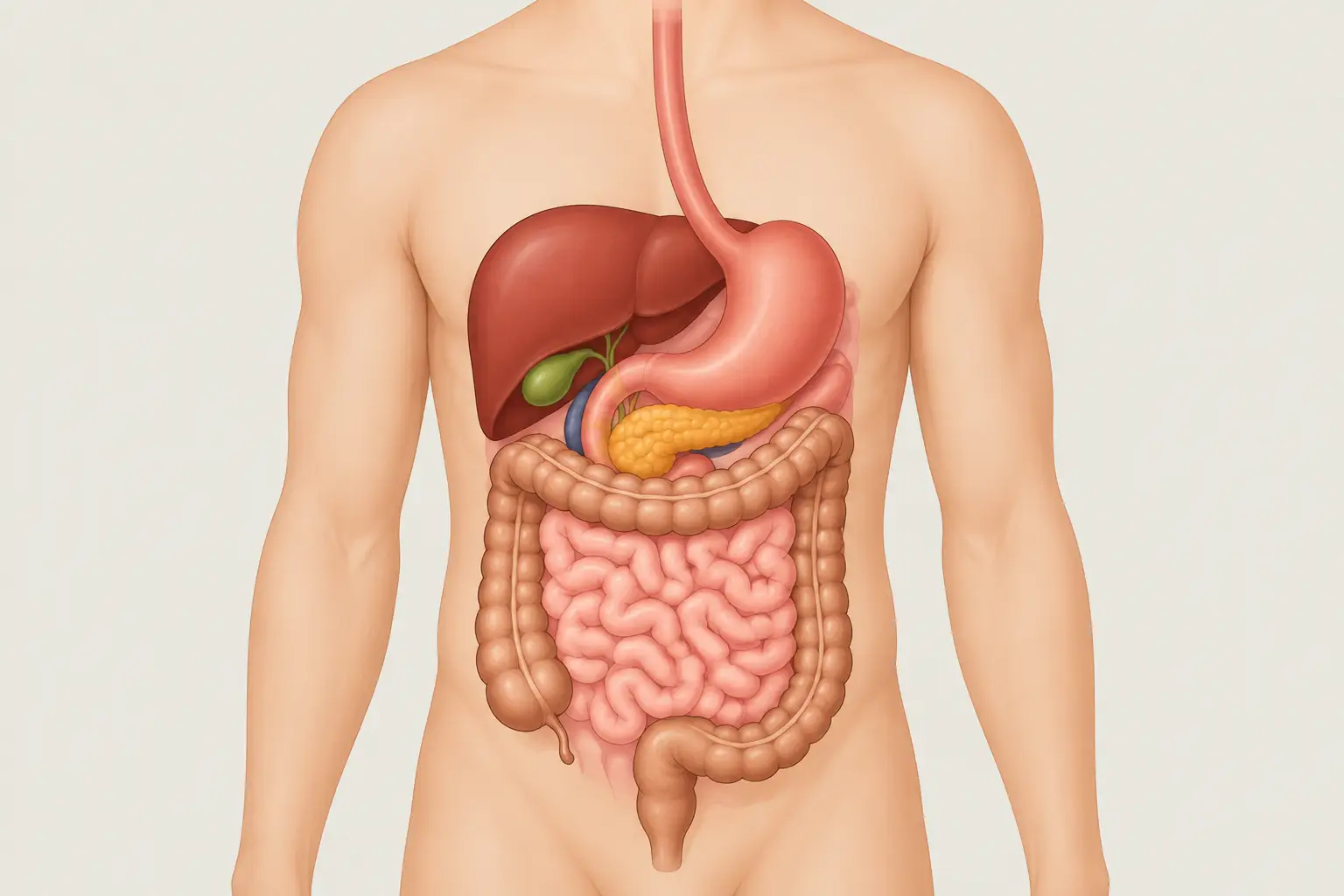
digestive system — Simplified illustration of digestive organs within a human torso.
Your digestive system: A guide to MedlinePlus topics
Health Blog
4 hours ago
Wilserdly for early-stage breast cancer — Illustration of an oral medication bottle, tablet, and breast cancer awareness ribbon.
FDA approves Wilserdly for early-stage breast cancer
Health News
5 hours ago
kidneys and urinary system — Illustration of the kidneys, ureters, bladder, and urethra.
Understanding kidneys and urinary system topics
Health Blog
2 days ago
//

We influence 20 million users and is the number one business and technology news network on the planet

Khaga PharmacyKhaga Pharmacy
Follow US
© 2026 khagapharmacy.com
  • Contact Us
  • Privacy Policy
  • Terms And Conditions
  • About Us
  • Affiliation
  • Disclaimer
  • Editorial Policy
  • Use Of Cookies
Welcome Back!

Sign in to your account

Username or Email Address
Password

Lost your password?