

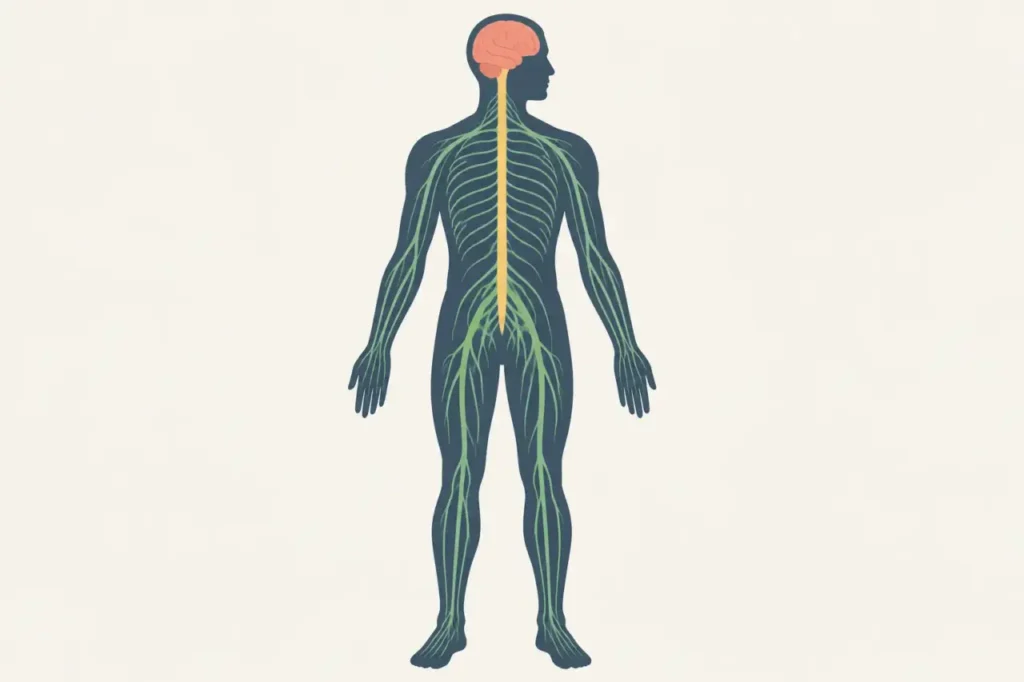
Brain and Nerves information covers a wide range of subjects, from headaches and memory to nerve injuries and spinal cord conditions. The MedlinePlus Brain and Nerves directory brings these topics together in one place. It is a starting point for finding information, rather than a guide for deciding which condition someone has.
The directory may be useful to people learning about a diagnosis, caregivers looking for a named condition, or readers trying to understand an unfamiliar medical term. Its main tools are three subject groups, an alphabetical topic list, and cross-references between names.
How to Use the Brain and Nerves Directory
You can begin with the brain, nerves, or spinal cord sections, or look for a specific term in the alphabetical list. If you already know the name used by a health care professional, that term provides a straightforward starting point.
The list includes both broad subjects, such as neurologic diseases, and more specific entries, such as migraine and carpal tunnel syndrome. It also includes topics such as memory, pain, and walking problems. A topic’s presence in the directory does not establish what is causing a person’s symptoms.
What the Three Main Sections Include
Brain topics
The brain section includes Alzheimer’s disease, dementia, mild cognitive impairment, and memory. It also lists headache, migraine, epilepsy, seizures, concussion, traumatic brain injury, and several stroke topics.
Other entries include brain tumors, brain malformations, Parkinson’s disease, Huntington’s disease, and speech and communication disorders. Childhood brain tumors and speech and language problems in children have their own entries, helping readers locate information with a child-specific focus.
Nerve topics
The nerves section includes peripheral nerve disorders, diabetic nerve problems, autonomic nervous system disorders, and neuromuscular disorders. Named topics also include Bell’s palsy, brachial plexus injuries, carpal tunnel syndrome, sciatica, and trigeminal neuralgia.
Pain and complex regional pain syndrome appear in this section as well. Readers can choose a specific named topic or a broader category, depending on the information they are seeking.
Spinal cord topics
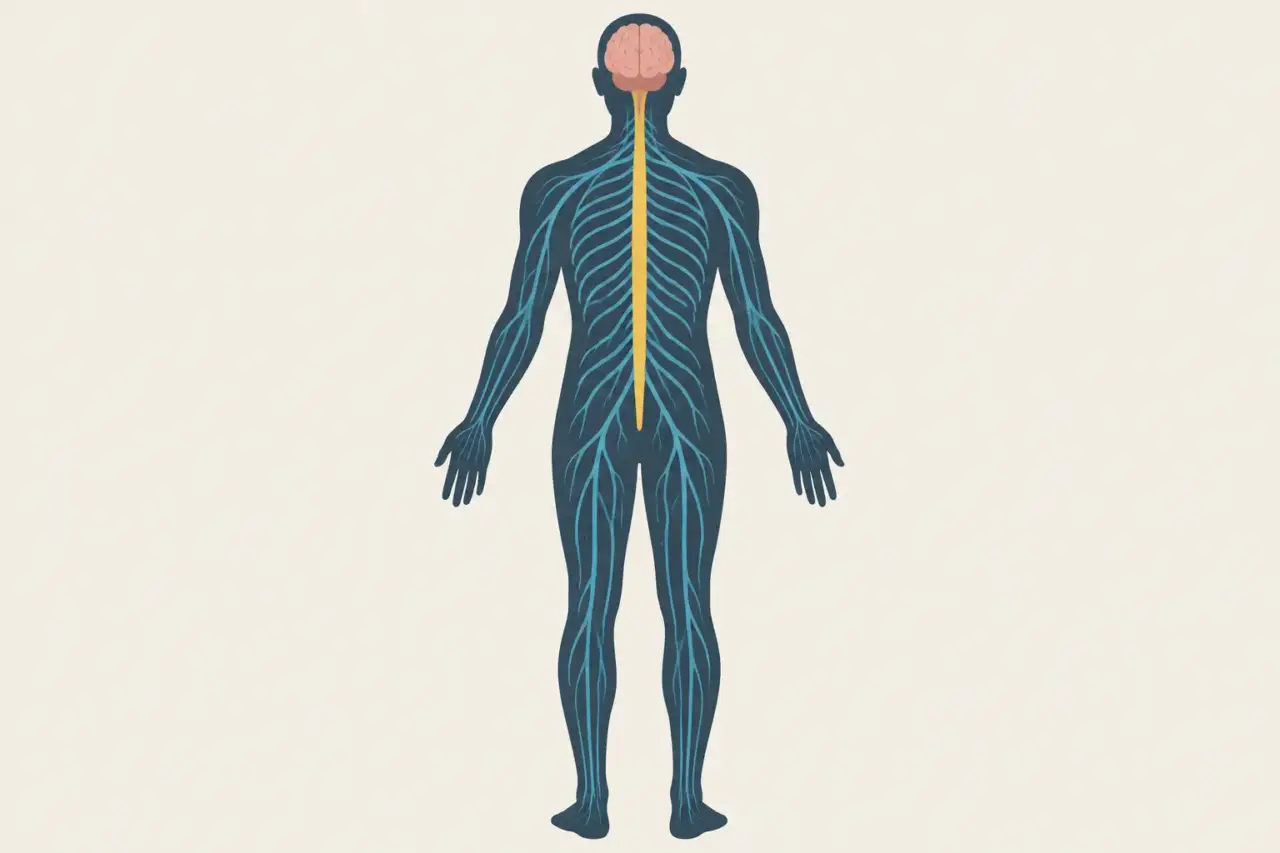
The spinal cord section lists spinal cord diseases and spinal cord injuries alongside multiple sclerosis, meningitis, spinal muscular atrophy, and syringomyelia. It also includes neural tube defects and spina bifida.
These groupings organize the directory; they are not diagnostic checklists. Some subjects appear in more than one group. For example, arteriovenous malformations are listed under both brain and spinal cord topics.
Finding Abbreviations and Alternate Names
The alphabetical list uses “see” references to direct readers from one term to another. These references are especially useful when a medical record, conversation, or other material uses a different name for the topic you want to explore.
- ALS points to amyotrophic lateral sclerosis.
- MS points to multiple sclerosis.
- MCI points to mild cognitive impairment.
- Brain attack points to stroke.
- Neuropathy points to diabetic nerve problems and peripheral nerve disorders.
Some references lead to multiple topics rather than one. Following those references can help you locate relevant reading, but the reference itself does not identify a diagnosis.
What This Information Can—and Cannot—Tell You
The supplied directory identifies topics and helps readers find them. It does not provide symptom assessments, tests, treatment instructions, medicine doses, or criteria for deciding how urgently to seek care.
If your question is whether a symptom indicates a particular condition, what treatment is appropriate, or how quickly you need care, this directory alone cannot answer it. Those are questions for a health care professional. Educational reading can support a conversation, but it cannot replace an individualized medical assessment.
Frequently Asked Questions
Does the directory cover only brain diseases?
No. It includes brain, nerve, and spinal cord topics, along with entries on pain, sleep, movement, memory, and communication.
What if I know only an abbreviation?
Check the alphabetical list. It includes references such as ALS, MS, and MCI that point to the corresponding topic names.
Can the topic list tell me what is causing my symptoms?
No. It is a navigation resource, not a diagnostic tool. Its listings do not establish the cause of an individual’s symptoms.