


Recognizing UTI symptoms can help you know when to contact a doctor. A urinary tract infection, often called a UTI, may cause pain or burning when you urinate, a frequent urge to go, or changes in how your urine looks or smells. Other possible signs include fever, tiredness, shakiness, and pain in the back or side below the ribs.
These symptoms can suggest a UTI, but recognizing them is not the same as confirming an infection. If you think you have a UTI, MedlinePlus recommends seeing your doctor. A urine test can help determine whether you have one.
UTI symptoms to recognize
According to the MedlinePlus guide to urinary tract infections, possible symptoms include:
- Pain or burning when you urinate
- Fever, tiredness, or shakiness
- An urge to urinate often
- Pressure in your lower belly
- Urine that smells bad or looks cloudy or reddish
- Pain in your back or side below the ribs
The list includes both changes related to urination and symptoms elsewhere in the body. Burning, frequent urges, and lower belly pressure are worth recognizing, but fever, shakiness, or back and side pain also belong on the list of possible signs.
Changes in urine appearance or smell are possible clues, not a confirmed diagnosis. MedlinePlus describes bad-smelling, cloudy, or reddish urine as signs that you may have a UTI and directs people who suspect an infection to a doctor.
What the urinary system does
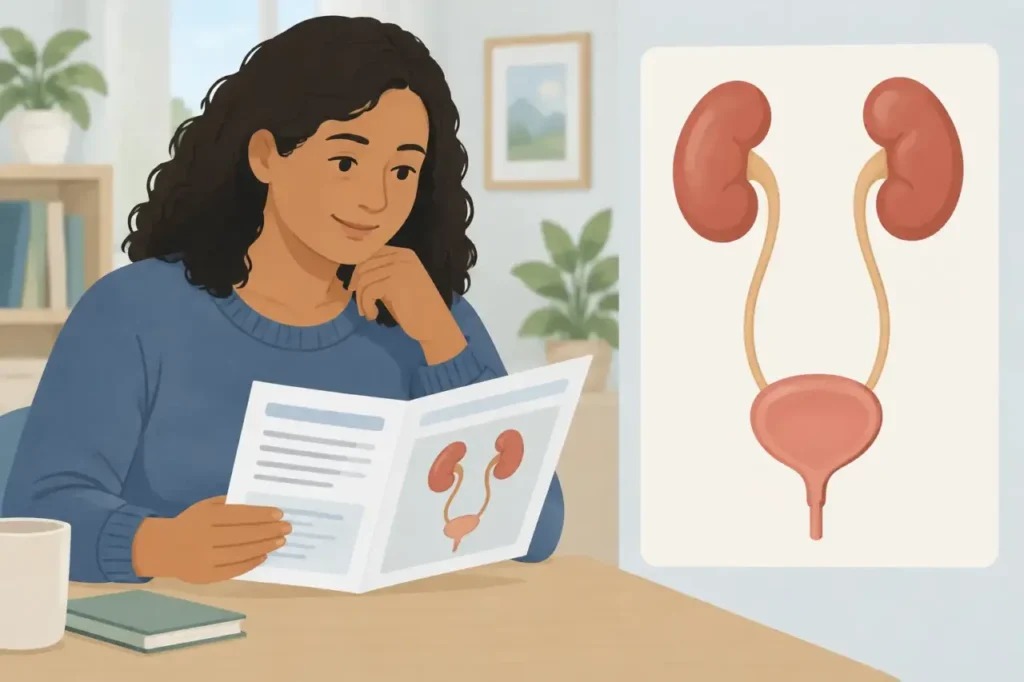
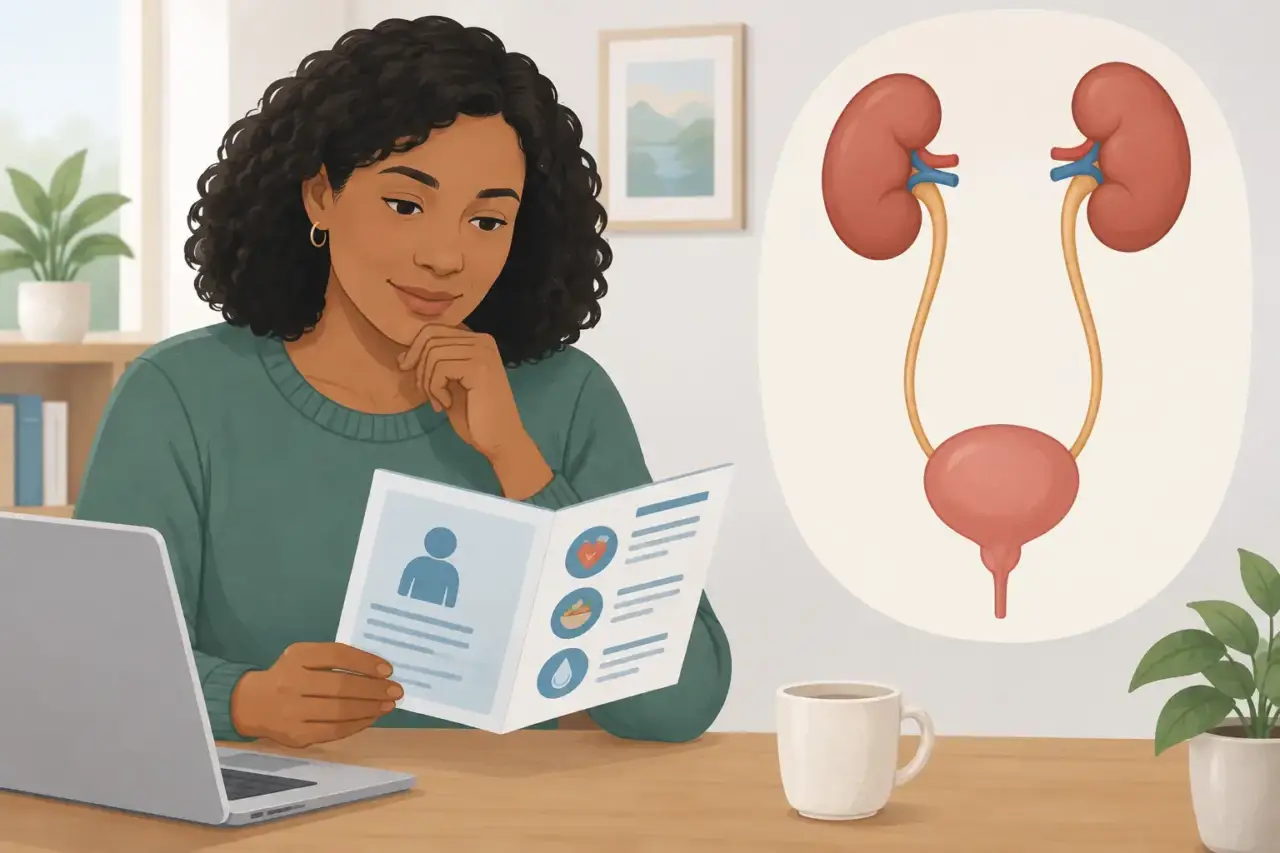
The urinary system is the body’s drainage system for removing wastes and extra water. It includes two kidneys, two ureters, a bladder, and a urethra. The term “urinary tract infection” refers to an infection involving this system.
MedlinePlus describes UTIs as the second most common type of infection in the body. Knowing the basic symptoms is useful for people concerned about their own urinary health, as well as those looking for general information for a family member.
Who is more likely to get a UTI?
People of any age or sex can get a UTI. However, MedlinePlus reports that about four times as many women get UTIs as men. Being outside a higher-risk group does not mean a person cannot develop an infection.
The source also identifies a higher risk among people who have diabetes, need a tube to drain their bladder, or have a spinal cord injury. These risk factors provide context, but they do not establish whether someone currently has a UTI. Medical evaluation and urine testing address that question.
When to seek medical advice
The practical guidance from MedlinePlus is straightforward: see your doctor if you think you have a UTI. This applies whether your concern comes from painful urination, repeated urges to go, changes in urine, or other symptoms on the list.
Your doctor can use a urine test to tell whether you have a UTI. MedlinePlus states that UTIs are treated with antibiotics. Decisions about treatment belong with a healthcare professional rather than being based only on a symptom checklist.
This information is educational and does not replace professional medical care or advice. Contact a healthcare provider with questions about your symptoms or urinary health.
Frequently Asked Questions
Can men and children get UTIs?
Yes. People of any age or sex can get UTIs, although women get them more often than men.
Does cloudy or strong-smelling urine mean I have a UTI?
Cloudy or bad-smelling urine can be a possible sign. A doctor can use a urine test to determine whether you have a UTI.
How are UTIs treated?
MedlinePlus states that treatment is with antibiotics. See a doctor if you suspect a UTI so you can be evaluated.