

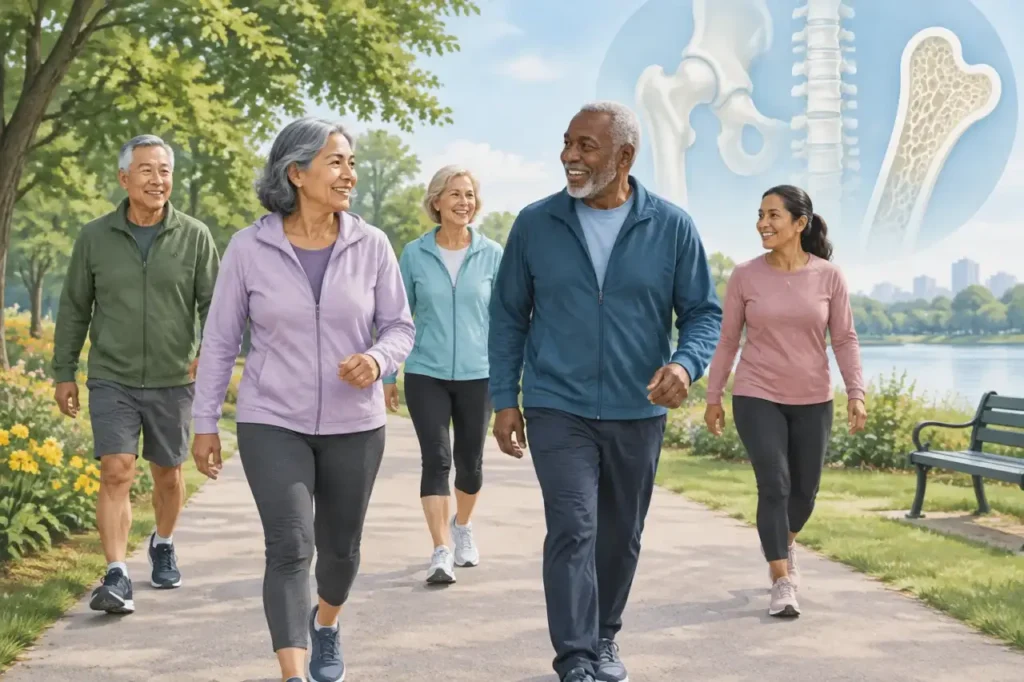
Osteoporosis prevention centers on habits that help keep bones strong, along with understanding personal risk and screening recommendations. Osteoporosis weakens bones and makes them more likely to break. Because it usually causes no symptoms, a person may not know they have it until a fracture occurs.
This information is useful for anyone interested in bone health, especially older adults, postmenopausal women, and people with risk factors. According to MedlinePlus guidance on osteoporosis, nutrition, physical activity, and other lifestyle habits can help protect bones.
What happens to bones in osteoporosis?
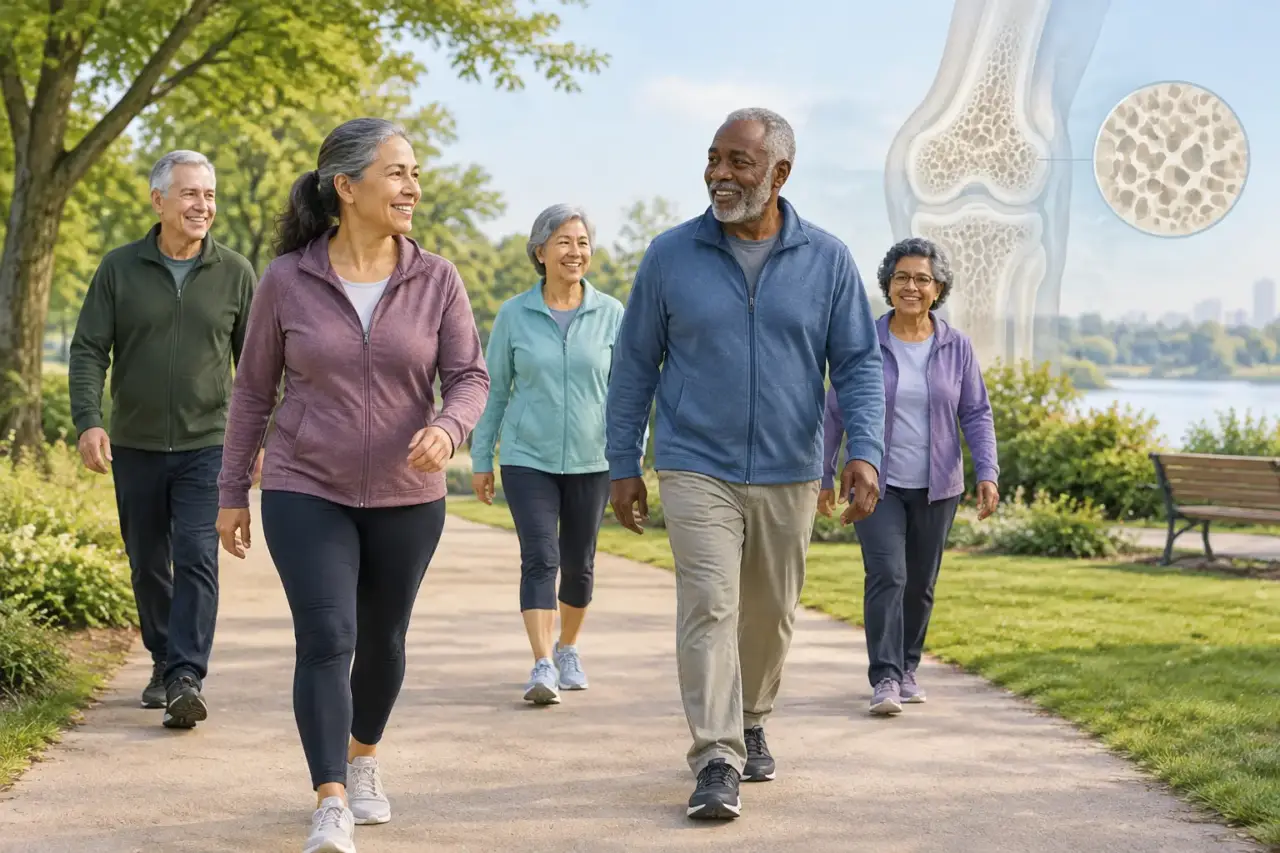
Bone is living tissue. The body continually breaks down old bone and replaces it with new bone. Osteoporosis develops when more bone is broken down than replaced, reducing bone mass and changing bone structure. Decreases in bone mineral density and changes in bone strength can make fractures more likely.
Any bone can break, but osteoporosis-related fractures most commonly affect the hip, vertebrae in the spine, and wrist. The lack of early symptoms is why osteoporosis is often called a “silent” disease.
Practical steps for osteoporosis prevention
MedlinePlus identifies several habits that can help keep bones strong and help prevent osteoporosis:
- Eat a healthy diet rich in calcium and vitamin D. A diet lacking these nutrients can increase osteoporosis risk. Not getting enough protein is another dietary risk factor.
- Get regular physical activity. Physical inactivity and prolonged bedrest can contribute to bone loss.
- Do not smoke. Smoking tobacco is a lifestyle factor that contributes to bone loss.
- Limit alcohol. Long-term heavy alcohol use can also contribute to bone loss.
For people who already have osteoporosis, a provider may recommend weight-bearing activity such as walking, strength training, and balance exercises. Fall prevention is also part of reducing fracture risk.
Who is more likely to develop osteoporosis?
Anyone can develop osteoporosis, but risk rises with age. It is most common in people over 50 and is more common in women, especially after menopause. People who are slim and thin-boned also have a higher risk.
Other risk factors include having a parent with osteoporosis or a broken hip, low levels of certain hormones, and some medical conditions. These include endocrine diseases, certain digestive diseases, rheumatoid arthritis, certain cancers, HIV, and anorexia nervosa.
Long-term use of certain medicines can also raise risk. Examples include corticosteroids, proton pump inhibitors used to treat gastroesophageal reflux disease, and medicines for epilepsy. These factors are reasons to discuss bone health with a health care provider.
Screening and when to seek professional guidance
MedlinePlus reports that the U.S. Preventive Services Task Force recommends osteoporosis screening for women age 65 and older and for postmenopausal women under 65 who have factors that increase their risk. For men, whether routine screening is helpful remains uncertain; more research is needed.
An evaluation may include medical and fracture history, a physical exam, and a bone density scan. A provider may also use a short fracture-risk questionnaire to estimate the chance of breaking a bone over the next 10 years.
If you have osteoporosis, professional guidance is important for treatment and activity choices. Treatment aims to slow or stop bone loss and prevent fractures. Options may include nutrition and lifestyle changes, fall prevention, and medicines that slow bone loss or help rebuild bone. MedlinePlus also advises avoiding potentially fracture-causing movements, including twisting the spine and bending forward from the waist.
Frequently Asked Questions
Can osteoporosis develop without symptoms?
Yes. It usually causes no symptoms, and a broken bone may be the first sign that someone has the disease.
Can men get osteoporosis?
Yes. Anyone can develop osteoporosis. However, evidence is not yet clear on whether routine screening benefits men.
Can healthy habits help prevent osteoporosis?
Yes. A healthy diet rich in calcium and vitamin D, regular physical activity, limiting alcohol, and not smoking can help keep bones strong and help prevent osteoporosis.