By using this site, you agree to the Privacy Policy and Terms And Conditions. We use cookies to enhance your browsing experience, serve personalized ads or content, and analyze our traffic. By clicking "Accept All", you consent to our use of cookies.
Accept
Khaga PharmacyKhaga PharmacyKhaga Pharmacy
  • HomeHome
  • Health BlogHealth Blog
    • NeuroscienceNeuroscience
  • Health NewsHealth News
  • Web StoriesWeb Stories
  • PagesPages
    • BookmarksBookmarks
    • About UsAbout Us
Reading: Understanding thyroid conditions: A practical guide
Share
Notification Show More
Font ResizerAa
Khaga PharmacyKhaga Pharmacy
Font ResizerAa
  • Health BlogHealth Blog
  • NeuroscienceNeuroscience
  • Health NewsHealth News
  • BookmarksBookmarks
Search
  • HomeHome
  • Health BlogHealth Blog
  • NeuroscienceNeuroscience
  • Health NewsHealth News
  • Web StoriesWeb Stories
  • PagesPages
    • BookmarksBookmarks
    • About UsAbout Us
Follow US
  • Contact Us
  • Privacy Policy
  • Terms And Conditions
  • About Us
  • Affiliation
  • Disclaimer
  • Editorial Policy
  • Use Of Cookies
© 2024 khagapharmacy.com
Khaga Pharmacy > Health Blog > Understanding thyroid conditions: A practical guide
Health Blog

Understanding thyroid conditions: A practical guide

The thyroid affects many body functions, and evaluating a problem may involve an exam, tests, and sometimes biopsy.

Rahul Priydarss
Last updated: 2 November 2026 7:01 AM
Rahul Priydarss
1 second ago
Share
5 Min Read
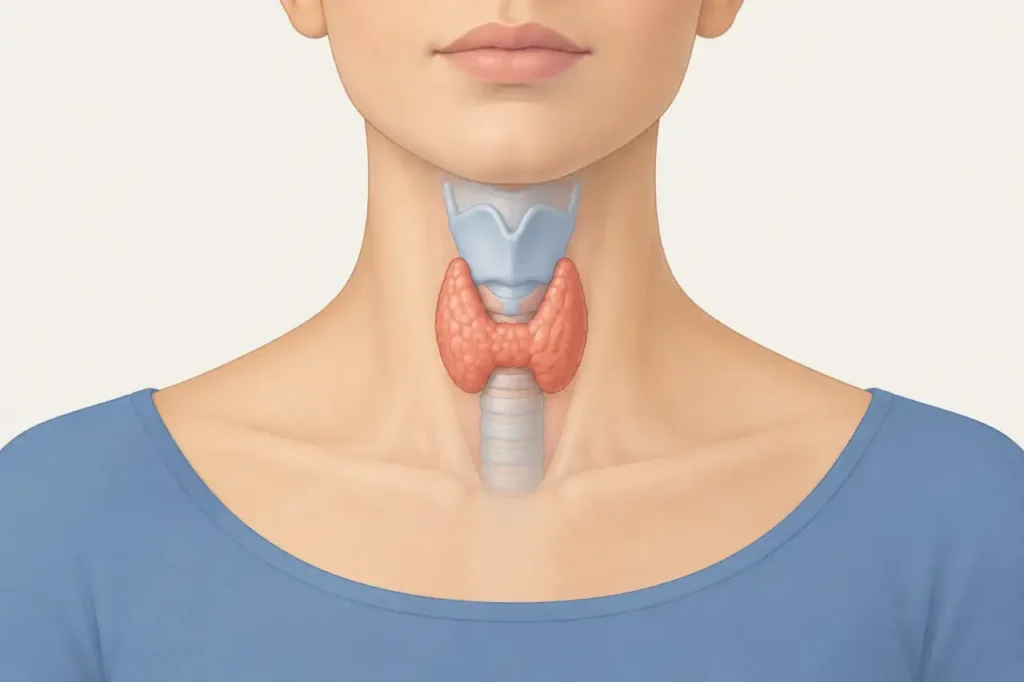
thyroid conditions — Illustration showing the butterfly-shaped thyroid gland at the front of the neck.
SHARE
Highlights
  • Thyroid hormones affect breathing, heart rate, weight, digestion, and mood.
  • Evaluation may include a medical history, physical exam, thyroid tests, and sometimes a biopsy.
  • Treatment depends on the specific problem, its severity, and symptoms.

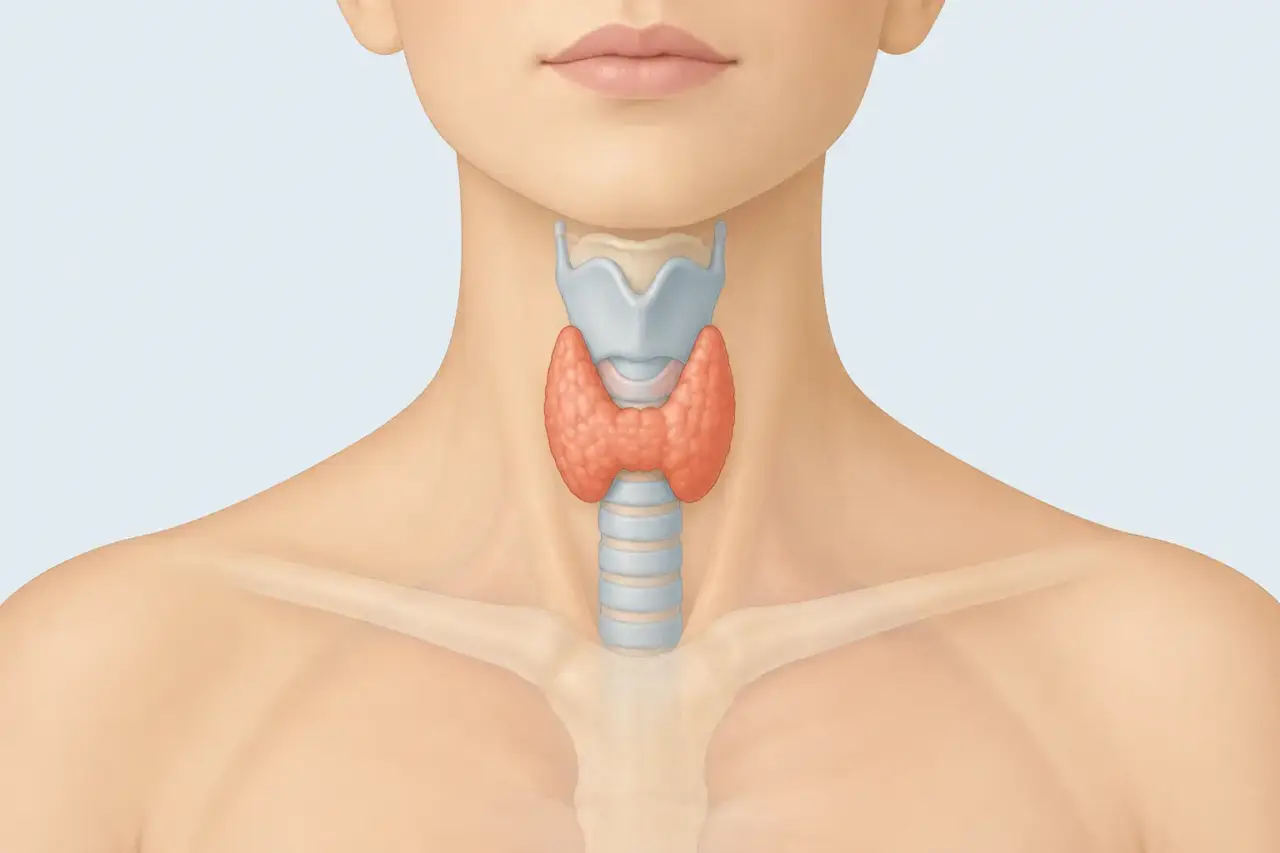
Your thyroid is a small, butterfly-shaped gland at the front of your neck. It makes hormones that control how your body uses energy. Understanding thyroid conditions starts with knowing that these hormones affect nearly every organ, including functions such as breathing, heart rate, weight, digestion, and mood.

Contents
Common thyroid conditions and what the names meanHypothyroidism and hyperthyroidismGoiter, nodules, thyroiditis, and cancerHow health care providers evaluate thyroid problemsHow treatment decisions are madeWhen to seek professional medical adviceFrequently Asked QuestionsWhat is the difference between hypothyroidism and hyperthyroidism?Does everyone being evaluated need a thyroid biopsy?How are thyroid diseases treated?

This guide is useful for people learning about a thyroid diagnosis or preparing to discuss a concern with a health care provider. The MedlinePlus overview of thyroid diseases explains the main conditions, how they are evaluated, and the broad treatment options.
- Advertisement -
thyroid conditions — Illustration showing the butterfly-shaped thyroid gland at the front of the neck.

Common thyroid conditions and what the names mean

Thyroid disease is an umbrella term for several problems. Some involve the amount of hormone the gland makes. Other terms describe enlargement, lumps, swelling, or cancer. Knowing these basic distinctions can help make a medical discussion easier to follow.

Hypothyroidism and hyperthyroidism

Hypothyroidism means the thyroid does not make enough thyroid hormones. Hyperthyroidism means it makes more thyroid hormones than the body needs. Although their names sound similar, they describe opposite problems with hormone production.

Because thyroid hormones affect many important functions, evaluating thyroid health involves more than identifying the gland’s location. A health care provider considers the medical history, examination, and thyroid test results when diagnosing a condition.

Goiter, nodules, thyroiditis, and cancer

Other thyroid conditions listed by MedlinePlus include:

- Advertisement -
  • Goiter: an enlargement of the thyroid gland.
  • Thyroid nodules: lumps in the thyroid gland.
  • Thyroiditis: swelling of the thyroid.
  • Thyroid cancer: another distinct thyroid disease.

These terms describe different thyroid problems, so they should not be used interchangeably. For example, an enlarged gland and a lump in the gland are different descriptions. A diagnosis helps establish which problem is present and informs the treatment discussion.

How health care providers evaluate thyroid problems

To diagnose thyroid disease, a provider may use a medical history, a physical exam, and thyroid tests. In some cases, a biopsy may also be part of the evaluation. MedlinePlus does not describe one fixed testing pathway for every person.

The page links to information about thyroid-stimulating hormone, or TSH, tests; thyroxine, or T4, tests; triiodothyronine, or T3, tests; and thyroid antibody tests. It also provides resources about thyroid ultrasound, scans and uptake tests, and needle biopsy.

This range of resources is not a checklist of tests everyone needs. The central point is that diagnosis may involve several kinds of information, rather than the name of a symptom or a thyroid condition alone.

- Advertisement -

How treatment decisions are made

According to MedlinePlus, treatment depends on the specific thyroid problem, how severe it is, and the person’s symptoms. Possible treatments include medicines, radioiodine therapy, or thyroid surgery.

These are broad treatment categories, not a single plan for all thyroid diseases. The overview does not identify one treatment as appropriate for everyone. A provider’s evaluation is needed to connect the diagnosis and its severity with an appropriate treatment discussion.

When to seek professional medical advice

Contact a health care provider if you have questions about your health, including concerns about your thyroid or an existing diagnosis. General educational information cannot determine which condition you have or which treatment is appropriate.

MedlinePlus also offers links to thyroid information for children, women, and older adults, including resources about pregnancy and postpartum thyroiditis. Those resources may help readers find information relevant to their stage of life, but they do not replace professional care.

Frequently Asked Questions

What is the difference between hypothyroidism and hyperthyroidism?

Hypothyroidism means the thyroid makes too little hormone. Hyperthyroidism means it makes more hormone than the body needs.

- Advertisement -

Does everyone being evaluated need a thyroid biopsy?

No. MedlinePlus says a provider may perform a biopsy in some cases. Evaluation may also include a medical history, physical exam, and thyroid tests.

How are thyroid diseases treated?

Possible treatments include medicines, radioiodine therapy, or surgery. The choice depends on the thyroid problem, its severity, and symptoms.


You Might Also Like

Fanta Orange Soft Drink: Refreshing Citrus Flavor Explained

Chronic Kidney Disease: Symptoms, Treatment and Stages

Understanding Measles Symptoms, Complications, and Prevention

What Does Early Pregnancy Discharge Look Like Pictures

Costa Coffee: A Blend of Tradition and Modernity

TAGGED:HyperthyroidismHypothyroidismThyroid healthThyroid tests
SOURCES:MedlinePlus
Share This Article
Whatsapp Whatsapp LinkedIn Email Print
ByRahul Priydarss
Follow:
I am professional blog writer with more than 2+ year experience and write 300+ article on many website also publish my thesis on hydrogel.
Previous Article managing eczema — Illustration of a caregiver and child beside folded clothing and an unbranded skin cream container. A practical guide to managing eczema and atopic dermatitis
Leave a Comment Leave a Comment

Leave a Reply Cancel reply

Your email address will not be published. Required fields are marked *

Find Us on Socials

- Advertisement -

Latest News

managing eczema — Illustration of a caregiver and child beside folded clothing and an unbranded skin cream container.
A practical guide to managing eczema and atopic dermatitis
Health Blog
18 hours ago
acne causes and treatment — Illustration of young people with varied skin tones and mild facial acne.
Understanding acne causes and treatment basics
Health Blog
18 hours ago
UTI symptoms — Illustration of an adult beside a diagram of the urinary system.
Recognizing UTI symptoms and when to see a doctor
Health Blog
3 days ago
asthma triggers — Illustration of a home with a pet and trees outside, representing possible asthma trigger exposures.
Understanding asthma triggers and everyday prevention
Health Blog
4 days ago
//

We influence 20 million users and is the number one business and technology news network on the planet

Khaga PharmacyKhaga Pharmacy
Follow US
© 2026 khagapharmacy.com
  • Contact Us
  • Privacy Policy
  • Terms And Conditions
  • About Us
  • Affiliation
  • Disclaimer
  • Editorial Policy
  • Use Of Cookies
Welcome Back!

Sign in to your account

Username or Email Address
Password

Lost your password?