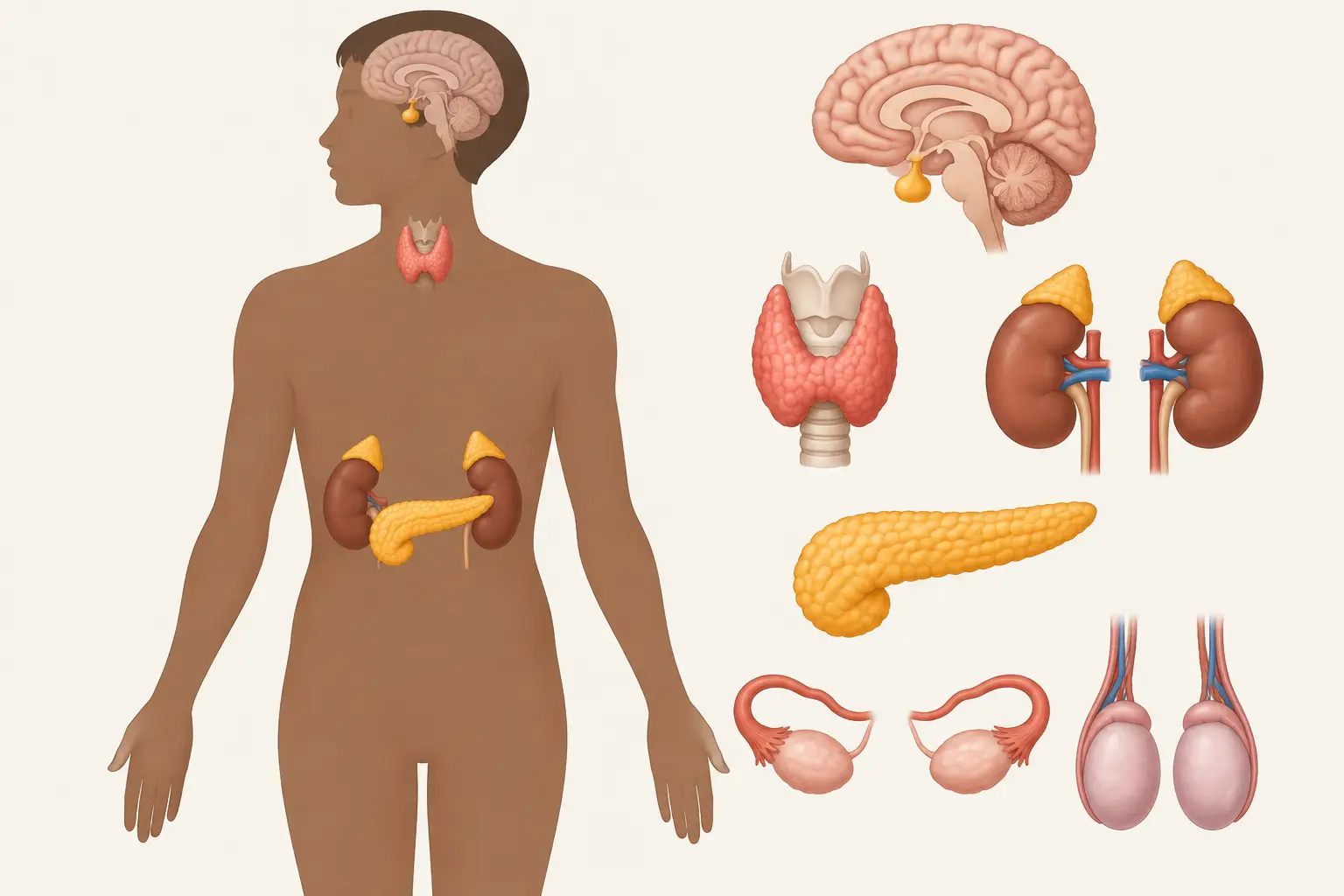


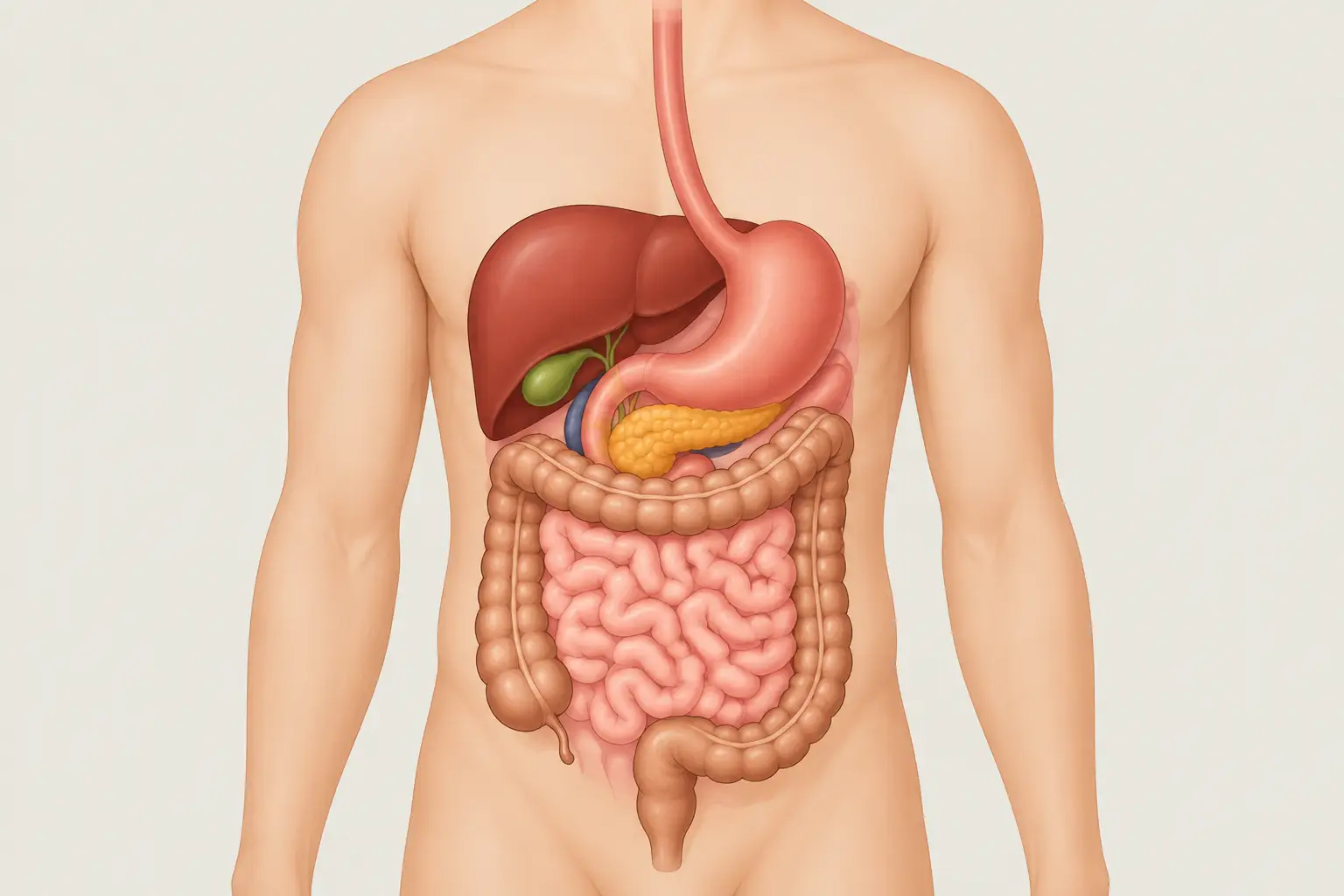
Finding reliable information about the digestive system can begin with an organ name, a symptom, or a condition mentioned during a medical visit. The MedlinePlus Digestive System directory offers each of these routes. It groups health topics by body area and provides an alphabetical index with links between everyday expressions and medical terms.
This makes the page a useful starting point for people learning about digestive concerns, patients reviewing unfamiliar terminology, and caregivers looking for background information. It is a directory, however—not a symptom checker or an individualized care guide.
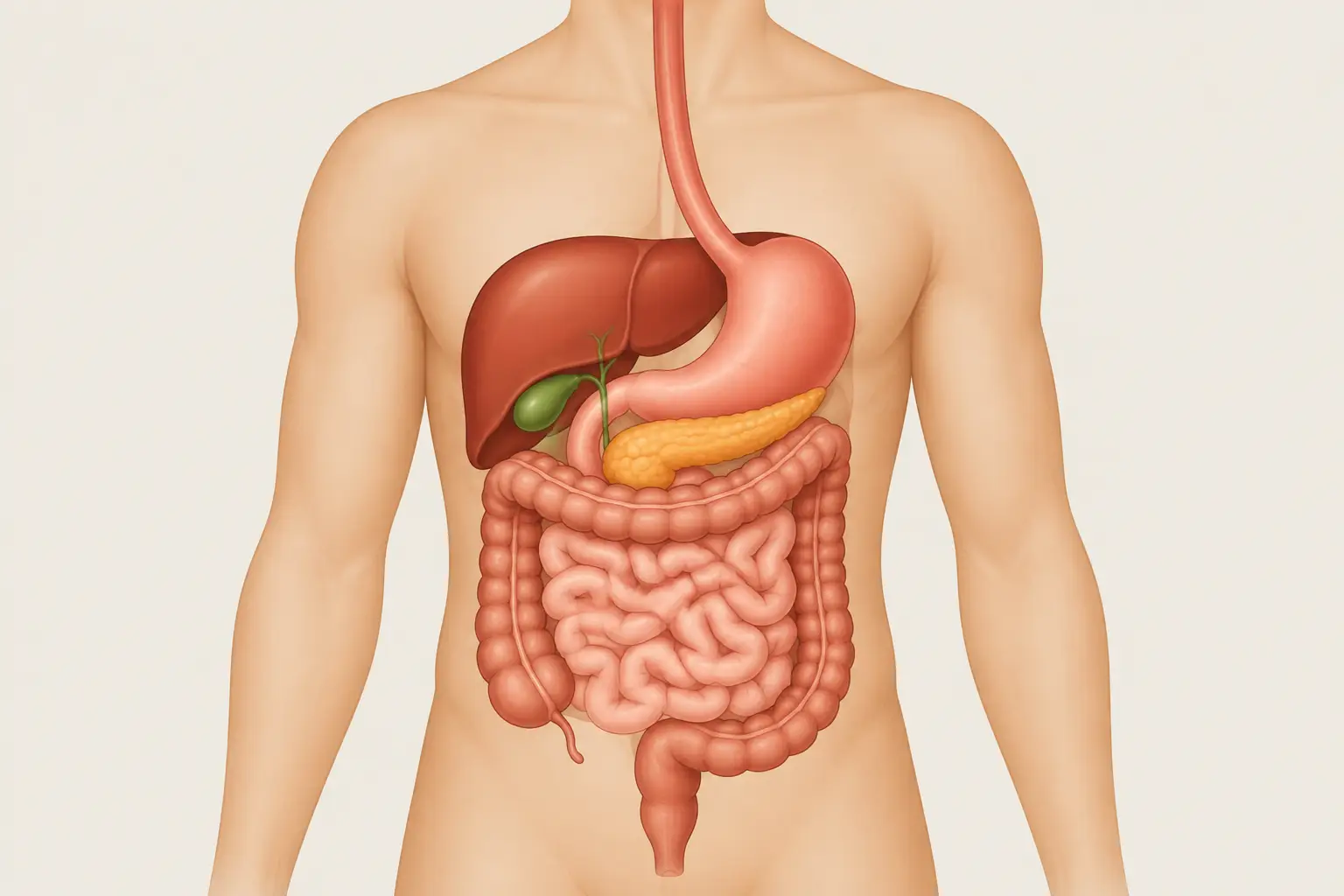
How to explore digestive system topics
The directory lets readers select the anus, appendix, esophagus, gallbladder, large intestine, liver, pancreas, rectum, small intestine, or stomach. Each selection brings together related health topics. If you already know the organ or condition you want to read about, these groupings can help narrow your search.
If you do not know an organ name, the alphabetical list offers another starting point. It includes concerns such as abdominal pain, constipation, diarrhea, gas, heartburn, indigestion, and nausea and vomiting. These entries lead toward more focused information rather than establishing what is causing a particular person’s symptoms.
What you can find by body area
Esophagus and stomach
The esophagus section includes GERD, heartburn, swallowing disorders, hiatal hernia, and esophagus disorders. It also lists separate topics for reflux in children and reflux in infants, making those age-specific resources easier to locate.
The stomach grouping includes abdominal pain, nausea and vomiting, peptic ulcer, stomach disorders, and weight loss surgery. Some subjects, including gas and hiatal hernia, appear in more than one organ grouping.
Small and large intestines, rectum, and anus
Small intestine topics include celiac disease, Crohn’s disease, lactose intolerance, malabsorption syndromes, and gastroenteritis. The large intestine grouping includes constipation, colonic polyps, diverticulosis and diverticulitis, irritable bowel syndrome, and ulcerative colitis.
The anus and rectum section includes bowel movements, bowel incontinence, hemorrhoids, rectal disorders, and colorectal cancer. The appendix and large intestine grouping also provides an entry for appendicitis. These groupings offer navigation, not a way to determine the location or cause of symptoms.
Liver, gallbladder, and pancreas
Liver topics include hepatitis A, B, and C; cirrhosis; jaundice; steatotic liver disease; and liver transplantation. The gallbladder section links to gallstones, gallbladder diseases, and bile duct diseases. Pancreas topics include pancreatitis, pancreatic diseases, and pancreas transplantation.
Cancer-related information appears throughout the directory alongside other conditions. Being listed together does not mean that those conditions have the same symptoms, likelihood, or treatment.
Use familiar words to find medical terms
The alphabetical index contains cross-references that help connect different names for a topic. For example, “bellyache” points to abdominal pain, while “burping” and “belching” point to gas. “Dysphagia” points to swallowing disorders, and “IBS” points to irritable bowel syndrome.
Other entries help readers locate broader subject pages. “Inflammatory bowel disease” points to Crohn’s disease and ulcerative colitis. “Fatty liver disease” points to steatotic liver disease. These references are navigation aids; they are not a substitute for the explanations on individual topic pages.
Understand the directory’s limits
The supplied page does not provide a general digestive-health diet, medication instructions, screening schedule, or symptom-based treatment plan. It also does not set out warning signs or explain when a particular symptom requires urgent care.
For questions about your own symptoms, test results, or treatment, professional medical advice is needed rather than relying on an index entry. The directory can support background reading, but it cannot determine a diagnosis or the appropriate care for an individual.
Frequently Asked Questions
Can I search without knowing which organ is involved?
Yes. The alphabetical list includes symptom topics such as abdominal pain, diarrhea, heartburn, and nausea and vomiting.
Why do some topics appear under several organs?
The directory provides multiple routes to the same topic. For example, gas and digestive diseases appear in several organ groupings.
Does this page explain how to treat a digestive condition?
No. It links to condition-specific resources but does not itself provide individualized treatment instructions or medical advice.