



Healthy eating means regularly choosing foods and drinks that give your body the energy and nutrients it needs. It does not require a strict diet or the same menu for everyone. A balanced approach can reflect your preferences, cultural traditions, and budget while supporting your health.
According to MedlinePlus’s nutrition guide, nutrients include proteins, carbohydrates, fats, vitamins, minerals, and water. Good nutrition matters throughout life, from infancy and childhood through adulthood and older age.
Why balanced nutrition matters
Your body uses nutrients to grow, repair tissues, and keep working well. Nutritious foods can also help improve your mood and help you feel better. These benefits make nutrition relevant not only to people working toward a health goal, but also to anyone trying to support everyday health.
MedlinePlus explains that healthy eating can help people reach and stay at a healthy weight. It can also lower the risk of heart disease, type 2 diabetes, obesity, and some cancers. Heart-healthy food choices can help reduce blood pressure and support heart health.
These are potential benefits, not a promise that a particular food or eating pattern will prevent illness. The source emphasizes a balanced approach rather than one universal diet.
What a healthy eating plan includes
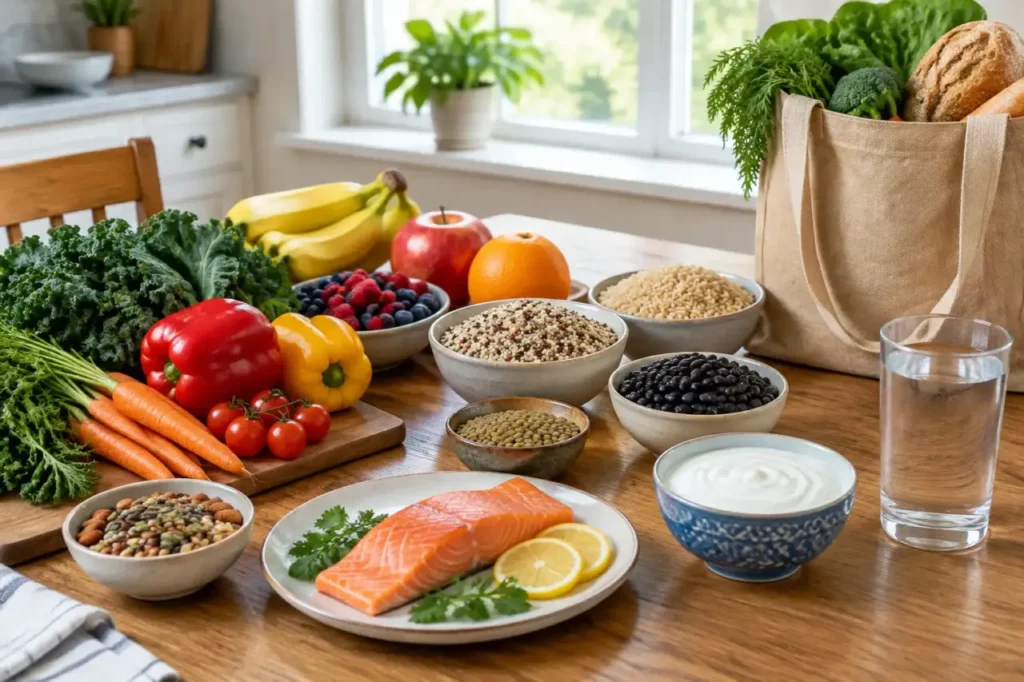
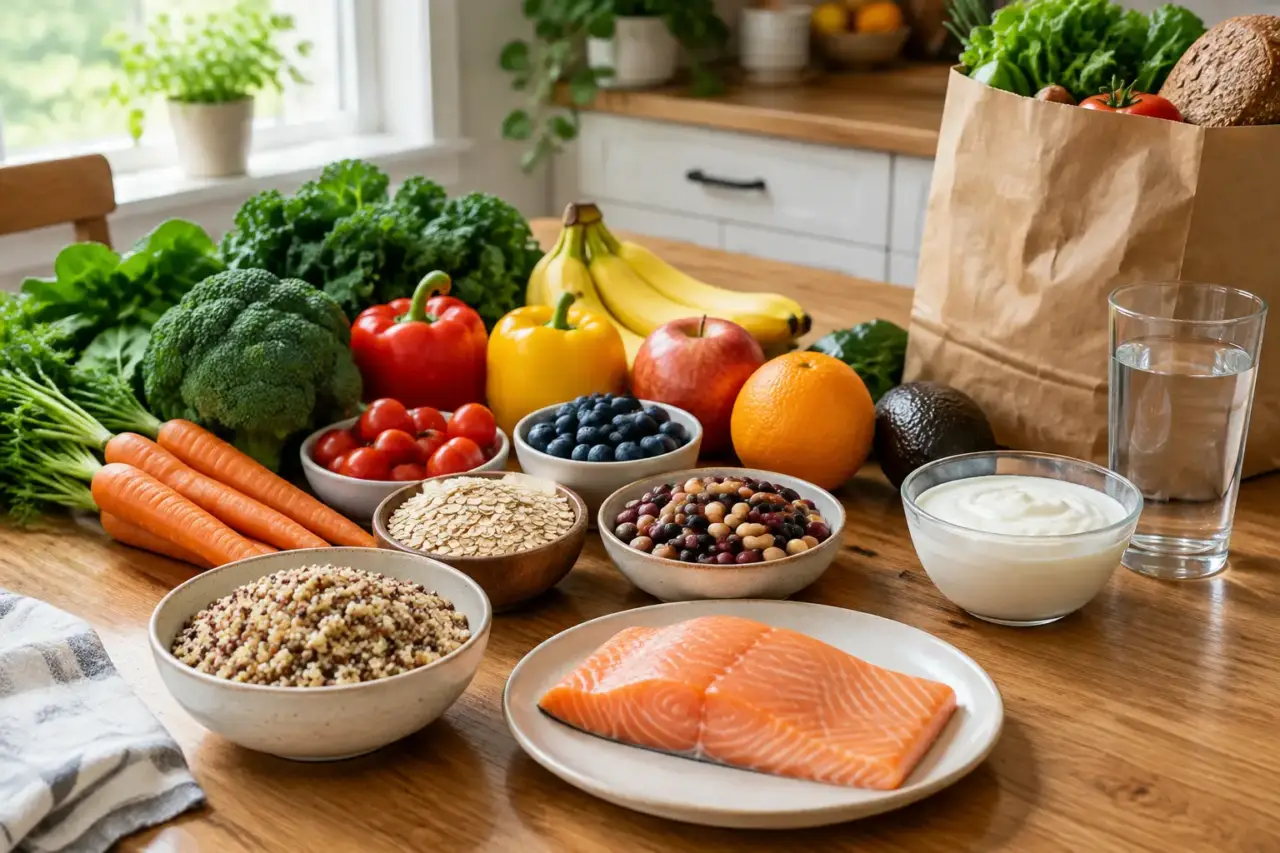
A healthy eating plan includes a variety of foods, with plenty of vegetables, fruits, and whole-grain products. MedlinePlus also recommends choosing lean meats, poultry, fish, beans, and low-fat dairy products. Together, these choices support variety rather than relying on only a few foods.
Getting enough fiber and drinking plenty of water are also key parts of good nutrition. The guide recommends limiting salt, added sugars, alcohol, and saturated fat. Its advice is to limit these items—not to follow an all-or-nothing rule about every food you enjoy.
Another priority is getting enough nutrients, especially calcium, vitamin D, and potassium. Dietary supplements should complement, not replace, a healthy diet. The source does not suggest that everyone needs a supplement or that supplements can substitute for balanced food choices.
You do not need a strict diet
Eating well can include some favorite foods that are less healthy. MedlinePlus advises not eating too much of those foods or having them too often. They can be balanced with healthier choices and regular physical activity.
This flexibility matters because good nutrition is not one-size-fits-all. There is no single diet or calorie amount that works for everyone. Your age, sex, activity level, health conditions, and health goals all affect your needs.
Plan meals before you shop
Planning before food shopping can make it easier to stick with healthy eating. MedlinePlus suggests using online recipes or cookbooks to plan healthy meals, then shopping for fresh, frozen, and minimally processed foods. Frozen foods are among the options included in its guidance; healthy meal planning does not have to depend only on fresh ingredients.
Reading food labels is another recommended step. The nutrition guide links to resources about the Nutrition Facts label and food-label reading for people who want to learn more about the information on packaged foods.
Food safety belongs in meal planning, too. Follow safe food handling, cooking, and storage steps to help prevent foodborne illness. Choosing nutritious foods and preparing them safely are both parts of putting meals on the table.
When professional guidance may help
If you want an eating plan suited to your needs, ask your health care provider. This is particularly relevant when health conditions or specific health goals affect your choices. Your provider may refer you to a dietitian for specialized recommendations. General nutrition information offers a starting point, but it does not establish your personal calorie needs or a treatment diet.
Frequently Asked Questions
Does healthy eating mean giving up favorite foods?
No. MedlinePlus says less healthy favorites can fit when you avoid having too much or eating them too often, and balance them with healthier choices and regular physical activity.
Is there one balanced diet that works for everyone?
No. Nutrition needs depend on age, sex, activity level, health conditions, and health goals. Preferences, cultural traditions, and budget can also shape how healthy eating looks.
Can supplements replace nutritious meals?
No. MedlinePlus recommends using dietary supplements to complement a healthy diet, not replace it.