By using this site, you agree to the Privacy Policy and Terms And Conditions. We use cookies to enhance your browsing experience, serve personalized ads or content, and analyze our traffic. By clicking "Accept All", you consent to our use of cookies.
Accept
Khaga PharmacyKhaga PharmacyKhaga Pharmacy
  • HomeHome
  • Health BlogHealth Blog
    • NeuroscienceNeuroscience
  • Health NewsHealth News
  • Web StoriesWeb Stories
  • PagesPages
    • BookmarksBookmarks
    • About UsAbout Us
Reading: FDA Issues Final Guidance on prescription drug apps and Software
Share
Notification Show More
Font ResizerAa
Khaga PharmacyKhaga Pharmacy
Font ResizerAa
  • Health BlogHealth Blog
  • NeuroscienceNeuroscience
  • Health NewsHealth News
  • BookmarksBookmarks
Search
  • HomeHome
  • Health BlogHealth Blog
  • NeuroscienceNeuroscience
  • Health NewsHealth News
  • Web StoriesWeb Stories
  • PagesPages
    • BookmarksBookmarks
    • About UsAbout Us
Follow US
  • Contact Us
  • Privacy Policy
  • Terms And Conditions
  • About Us
  • Affiliation
  • Disclaimer
  • Editorial Policy
  • Use Of Cookies
© 2024 khagapharmacy.com
Khaga Pharmacy > Health News > FDA Issues Final Guidance on prescription drug apps and Software
Health News

FDA Issues Final Guidance on prescription drug apps and Software

The framework explains how drug companies should handle companion software, prescribing information, and content shown to users.

Rahul Priydarss
Last updated: 24 October 2026 2:07 PM
Rahul Priydarss
48 minutes ago
Share
5 Min Read
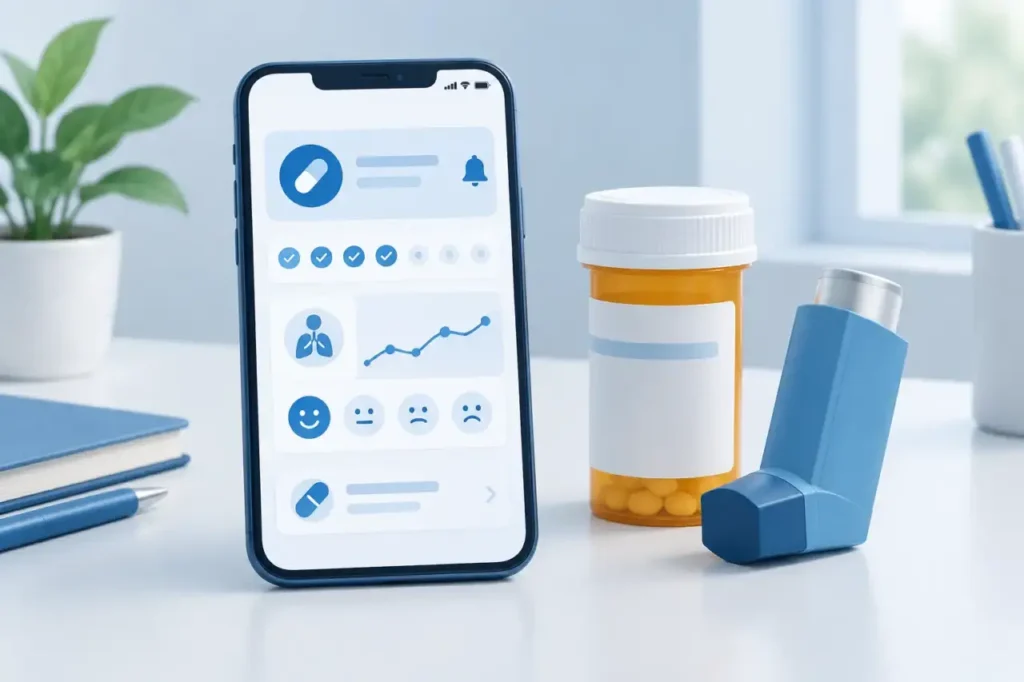
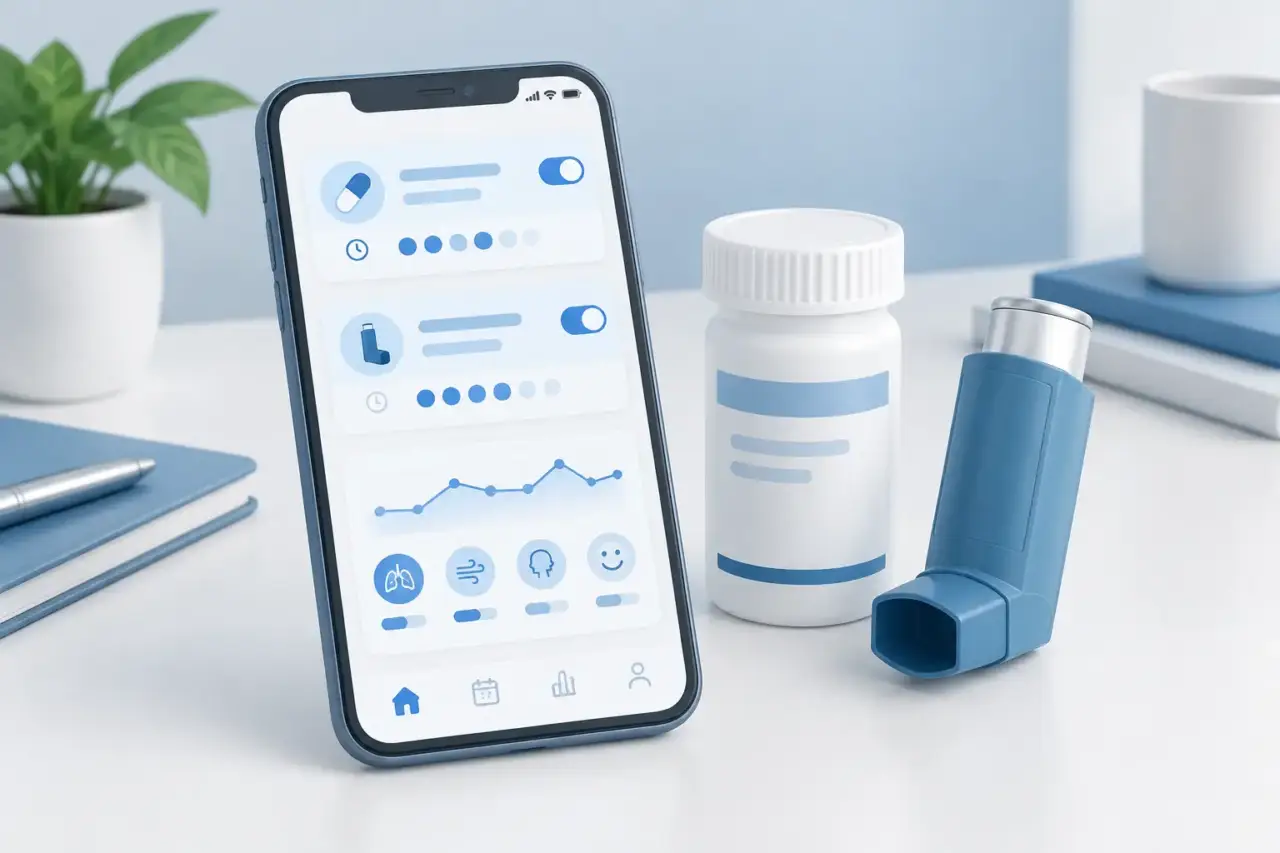
prescription drug apps — Illustration of a smartphone beside a generic medicine container and inhaler.
SHARE
Highlights
  • FDA’s final guidance addresses labeling and submission questions for apps distributed by drug companies.
  • Device-connected apps generally should be described in a drug’s official prescribing information.
  • Standalone apps may warrant label inclusion if essential to safe and effective use or supported by meaningful clinical benefit.

The U.S. Food and Drug Administration released final guidance on October 20, 2026, outlining how drug companies should develop, distribute, and label prescription drug apps used alongside their medicines. The framework addresses when app content falls under FDA submission requirements, when software should be mentioned in official prescribing information, and what companies should submit to the agency.

Contents
What the guidance on prescription drug apps coversTwo categories of companion softwareApps connected to a medical deviceStandalone appsHow FDA will treat content shown to usersWhat patients and healthcare professionals can take awayFrequently Asked QuestionsDoes every companion app belong in a drug’s prescribing information?Is everything displayed in an app FDA-required labeling?Does this announcement recommend an app for my medicine?

For patients and healthcare professionals, the announcement helps explain why some companion apps may appear in a medicine’s official labeling while others do not. Its primary audience is drug companies and their technology partners, rather than people seeking instructions for using a particular medicine.
- Advertisement -
prescription drug apps — Illustration of a smartphone beside a generic medicine container and inhaler.

What the guidance on prescription drug apps covers

According to the FDA’s announcement of the final guidance, the framework answers three main questions: when app content is considered FDA-required labeling rather than promotional labeling, when an app should be referenced in a drug’s prescribing information, and what companies should submit when distributing app content to users.

These are related but distinct issues. Whether an app belongs in official prescribing information concerns its role alongside the medicine. How the content displayed within that app is classified concerns the information delivered to users. The announcement addresses both, rather than treating every companion app and every piece of app content the same way.

Two categories of companion software

Apps connected to a medical device

The FDA says apps connected to a medical device, such as software paired with an asthma inhaler, generally should be described in the drug’s official prescribing information. The agency ties that recommendation to the central role the software plays in how the medicine is used.

The word “generally” matters: the announcement describes a regulatory approach, not a product-by-product list. It does not name individual apps or provide instructions for operating a connected inhaler or other device.

- Advertisement -

Standalone apps

The second category includes standalone tools such as symptom trackers, dose reminders, and health coaching apps. Under the guidance, these apps should appear in prescribing information if the company can show that the software is essential for safe and effective use or can demonstrate a meaningful clinical benefit.

That distinction is important when interpreting an app’s purpose. A reminder or tracking feature is an example of standalone software; the announcement does not establish that every such feature provides a meaningful clinical benefit. Instead, it describes the circumstances under which a company’s app should be included in official labeling.

How FDA will treat content shown to users

In most cases, the FDA says content displayed by a companion app will be treated as promotional material, consistent with the agency’s approach to other drug advertising. This is separate from the question of whether the app itself should be referenced in prescribing information.

The framework therefore does not make all information displayed in a companion app part of a medicine’s official prescribing label. Understanding that distinction can help readers interpret what the FDA’s announcement does—and does not—say about these tools.

- Advertisement -

What patients and healthcare professionals can take away

The announcement is useful for understanding the oversight of software supplied alongside prescription medicines. The FDA says its goal is to reduce uncertainty for developers and manufacturers while preserving safety and effectiveness standards and supporting accurate, evidence-based communication.

It does not provide a treatment plan, recommend a particular app, or explain how an individual should respond to symptoms or app messages. Questions about whether a specific companion app is appropriate for someone’s prescribed treatment, or how its information relates to their care, require discussion with a healthcare professional rather than an answer from this regulatory announcement.

Frequently Asked Questions

Does every companion app belong in a drug’s prescribing information?

No. Device-connected apps generally should be described there. Standalone apps should be included when the company demonstrates that they are essential for safe and effective use or provide a meaningful clinical benefit.

Is everything displayed in an app FDA-required labeling?

No. The FDA says most content displayed by companion apps will be treated as promotional material, consistent with other drug advertising.

Does this announcement recommend an app for my medicine?

No. It explains a regulatory framework, not individual app choices. A healthcare professional can address questions about a specific app’s role in your care.

- Advertisement -

You Might Also Like

Pig Kidney Transplant: Paving the Way for Organ Transplantation

Lara Spencers Health Update: A Journey to Recovery

Chronic Wasting Disease: Zombie Deer Disease 2024 and the Potential Threat to Humans

Duloxetine Recall by FDA: Understanding the Risks and What You Need to Do

FDA approves first size-adjustable heart valve for children

TAGGED:Digital HealthFDAMedication AppsPrescription Drugs
SOURCES:FDA.gov
Share This Article
Whatsapp Whatsapp LinkedIn Email Print
ByRahul Priydarss
Follow:
I am professional blog writer with more than 2+ year experience and write 300+ article on many website also publish my thesis on hydrogel.
Previous Article chronic hepatitis B treatment — Illustration of a liver with abstract viral particles and a laboratory testing motif. FDA approves new chronic hepatitis B treatment, Hibsago
Next Article FDA neuroscience program — Illustration of a brain connected to abstract molecular structures and digital research patterns. FDA neuroscience program launches with Alzheimer’s prevention focus
Leave a Comment Leave a Comment

Leave a Reply Cancel reply

Your email address will not be published. Required fields are marked *

Find Us on Socials

- Advertisement -

Latest News

FDA neuroscience program — Illustration of a brain connected to abstract molecular structures and digital research patterns.
FDA neuroscience program launches with Alzheimer’s prevention focus
Neuroscience
43 minutes ago
chronic hepatitis B treatment — Illustration of a liver with abstract viral particles and a laboratory testing motif.
FDA approves new chronic hepatitis B treatment, Hibsago
Health News
1 hour ago
generic hormone therapy patch — Illustration of an unbranded transdermal patch beside a blank weekly calendar.
FDA approves once-weekly generic hormone therapy patch
Health News
21 hours ago
seasonal allergies — Flowering plants outside a home window with a tissue box on a nearby table.
Recognizing seasonal allergies: Symptoms and next steps
Health Blog
4 days ago
//

We influence 20 million users and is the number one business and technology news network on the planet

Khaga PharmacyKhaga Pharmacy
Follow US
© 2026 khagapharmacy.com
  • Contact Us
  • Privacy Policy
  • Terms And Conditions
  • About Us
  • Affiliation
  • Disclaimer
  • Editorial Policy
  • Use Of Cookies
Welcome Back!

Sign in to your account

Username or Email Address
Password

Lost your password?