
By using this site, you agree to the Privacy Policy and Terms And Conditions. We use cookies to enhance your browsing experience, serve personalized ads or content, and analyze our traffic. By clicking "Accept All", you consent to our use of cookies.
Accept
Khaga PharmacyKhaga PharmacyKhaga Pharmacy
  • HomeHome
  • Health BlogHealth Blog
    • NeuroscienceNeuroscience
  • Health NewsHealth News
  • Web StoriesWeb Stories
  • PagesPages
    • BookmarksBookmarks
    • About UsAbout Us
Reading: Welgemda approval marks first FDA treatment for LGMD2I/R9
Share
Notification Show More
Font ResizerAa
Khaga PharmacyKhaga Pharmacy
Font ResizerAa
  • Health BlogHealth Blog
  • NeuroscienceNeuroscience
  • Health NewsHealth News
  • BookmarksBookmarks
Search
  • HomeHome
  • Health BlogHealth Blog
  • NeuroscienceNeuroscience
  • Health NewsHealth News
  • Web StoriesWeb Stories
  • PagesPages
    • BookmarksBookmarks
    • About UsAbout Us
Follow US
  • Contact Us
  • Privacy Policy
  • Terms And Conditions
  • About Us
  • Affiliation
  • Disclaimer
  • Editorial Policy
  • Use Of Cookies
© 2024 khagapharmacy.com
Khaga Pharmacy > Health News > Welgemda approval marks first FDA treatment for LGMD2I/R9
Health News

Welgemda approval marks first FDA treatment for LGMD2I/R9

The decision covers a specific inherited muscle disease, with trial findings showing improvements in walking speed and lung function.

Rahul Priydarss
Last updated: 27 November 2026 5:02 PM
Rahul Priydarss
4 hours ago
Share
5 Min Read
Welgemda approval — Illustration of an adult and child on an accessible walkway with abstract muscle and molecular imagery.
SHARE
Highlights
  • Welgemda is approved for adults and pediatric patients with LGMD2I/R9 who weigh at least 30 kg.
  • A 112-patient trial found improvements in walking speed and lung function at a planned 12-month analysis.
  • The most common adverse reactions included diarrhea, stomach pain, and joint pain.

The U.S. Food and Drug Administration announced Welgemda approval on November 23, 2026, making ribitol the first FDA-approved medicine for limb-girdle muscular dystrophy type 2I/R9, or LGMD2I/R9. The approval covers adults and pediatric patients weighing at least 30 kilograms.

Contents
Who the Welgemda approval coversHow LGMD2I/R9 affects musclesWhat the clinical trial foundHow the medicine works and reported side effectsFrequently Asked Questions

According to the FDA’s announcement, Welgemda is also the first therapy approved for any form of limb-girdle muscular dystrophy. That milestone does not mean the medicine is approved for every form of the disease: the authorized use is specifically for LGMD2I/R9 within the stated weight group.

- Advertisement -
Welgemda approval — Illustration of an adult and child on an accessible walkway with abstract muscle and molecular imagery.

Who the Welgemda approval covers

The decision is most relevant to people with LGMD2I/R9 and their families and caregivers. This rare inherited muscle disease is caused by mutations in the FKRP gene. The approval identifies both the disease subtype and a minimum body weight; it does not specify a minimum age in the announcement.

People with a different form of muscular dystrophy should not assume this approval applies to them. Questions about a person’s diagnosis, disease subtype, or eligibility for Welgemda should be discussed with their treating clinician.

How LGMD2I/R9 affects muscles

In healthy muscle cells, the FKRP enzyme helps attach sugar molecules to a protein called alpha-dystroglycan. This protein acts as an anchor, helping muscle cells connect to surrounding tissue.

Mutations in FKRP disrupt that process. Muscle cells become fragile and break down over time, leading to progressive weakness and difficulty walking. Many patients also develop impaired breathing. Symptoms typically begin in childhood or early adulthood and worsen over time, according to the FDA.

- Advertisement -

What the clinical trial found

Welgemda was evaluated in a randomized, double-blind, placebo-controlled study involving 112 patients with genetically confirmed LGMD2I/R9. Participants were assigned to receive either Welgemda or placebo for up to 36 months.

The findings described in the approval announcement came from a planned interim analysis after 12 months of treatment. Compared with the placebo group, patients receiving Welgemda showed significant improvements in two key measures:

  • Walking speed: assessed using a 100-meter timed test.
  • Lung function: assessed using forced vital capacity, which the FDA describes as an indicator of respiratory muscle health.

Patients receiving Welgemda also had significant increases in glycosylated alpha-dystroglycan. The FDA said this finding indicated that the medicine was reaching its intended target at the proposed dose.

The announcement does not provide numerical effect sizes for the walking or breathing results. It also describes an interim analysis, rather than completed results from the full period of up to 36 months. Those distinctions matter when interpreting what the reported findings establish.

- Advertisement -

How the medicine works and reported side effects

Welgemda’s precise mechanism in LGMD2I/R9 is not fully known. The FDA says it may work by increasing matriglycan, a natural sugar molecule involved in anchoring alpha-dystroglycan in muscle tissue.

The medicine is an oral solution that the FDA describes as taken twice daily, mixed with water. The most common adverse reactions reported were gastrointestinal effects, including diarrhea and stomach pain, and joint pain.

The announcement is not a complete prescribing guide. Patients and caregivers considering the medicine should discuss its potential benefits, risks, and suitability with a treating clinician rather than use the announcement as a treatment plan.

Frequently Asked Questions

Is Welgemda approved for all limb-girdle muscular dystrophies?

No. Although it is the first FDA-approved therapy for any form of limb-girdle muscular dystrophy, its approval specifically covers LGMD2I/R9 in adults and pediatric patients weighing at least 30 kg.

- Advertisement -

What benefits did the study show?

At the planned 12-month analysis, patients receiving Welgemda showed significant improvements in walking speed and lung function compared with those receiving placebo.

What were the most common side effects?

The FDA listed gastrointestinal effects, such as diarrhea and stomach pain, and joint pain as the most common adverse reactions.


You Might Also Like

Pig Kidney Transplant: Paving the Way for Organ Transplantation

Promising Advances: Cancer Vaccine Enters Phase 3 Clinical Trials

The Best Clinic for Rhinoplasty in the USA: Your Ultimate Guide

Can Teenagers Get Closed Rhinoplasty?

Diamniadio Vaccine Center: A Landmark in Senegal’s Health Sovereignty

TAGGED:FDA approvalMuscular dystrophyRare diseasesWelgemda
SOURCES:FDA.gov
Share This Article
Whatsapp Whatsapp LinkedIn Email Print
ByRahul Priydarss
Follow:
I am professional blog writer with more than 2+ year experience and write 300+ article on many website also publish my thesis on hydrogel.
Previous Article infantile-onset NPC — Illustration of a medical consultation room with a brain model and hearing-test headset. FDA approves Lembaz to reduce death risk in infantile-onset NPC
Leave a Comment Leave a Comment

Leave a Reply Cancel reply

Your email address will not be published. Required fields are marked *

Find Us on Socials

- Advertisement -

Latest News

infantile-onset NPC — Illustration of a medical consultation room with a brain model and hearing-test headset.
FDA approves Lembaz to reduce death risk in infantile-onset NPC
Health News
13 hours ago
skin, hair and nails — Illustration of hair, a natural fingernail, and skin texture in three panels.
A guide to skin, hair and nails health topics
Health Blog
2 days ago
measles elimination status — Illustration of residents outside a community health center and public-health staff coordinating inside.
U.S. loses measles elimination status: What to know
Health News
2 days ago
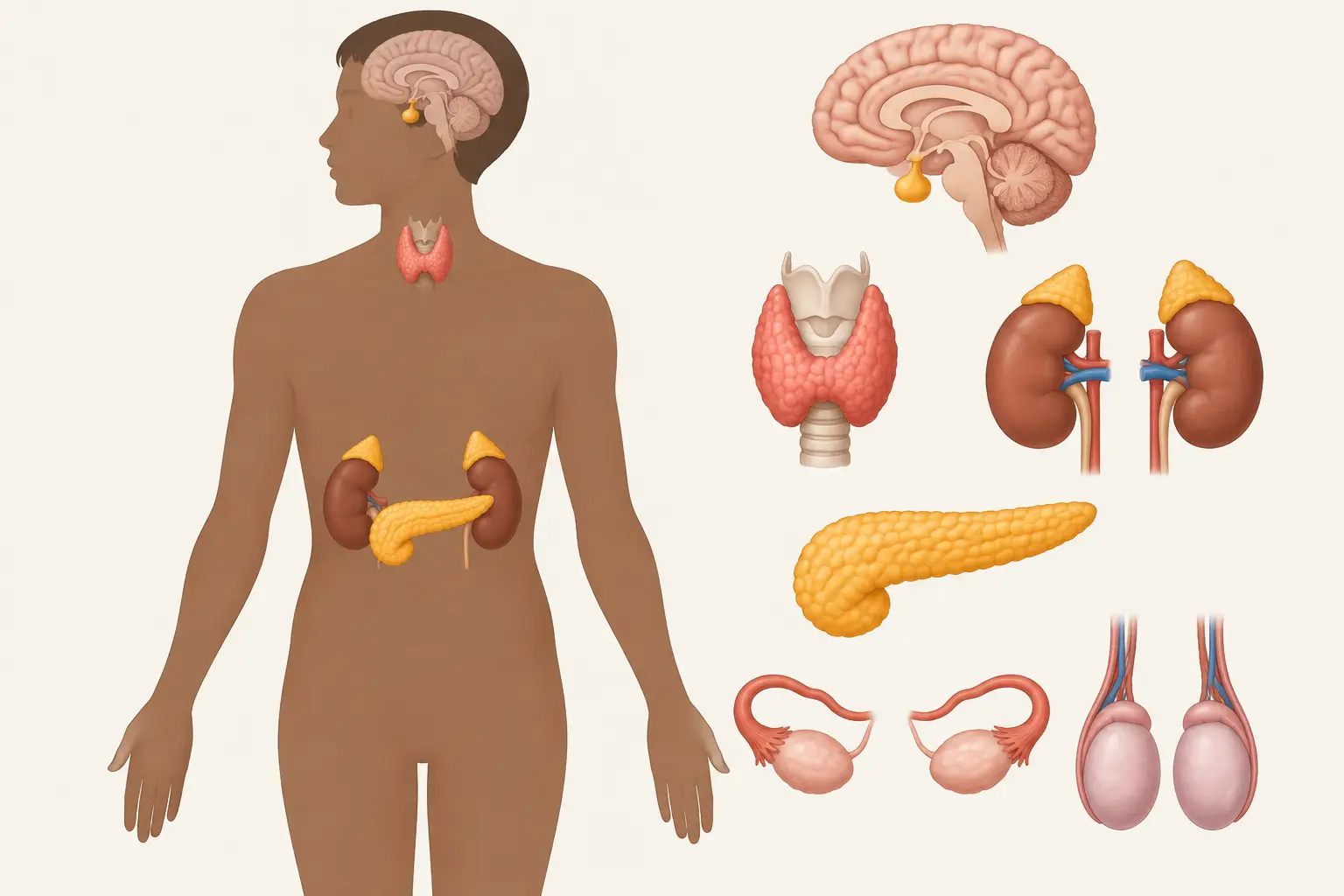
Endocrine System — Educational illustration highlighting selected endocrine glands with separate ovary and testicle illustrations.
Endocrine System: A Guide to Glands and Health Topics
Health Blog
3 days ago
//

We influence 20 million users and is the number one business and technology news network on the planet

Khaga PharmacyKhaga Pharmacy
Follow US
© 2026 khagapharmacy.com
  • Contact Us
  • Privacy Policy
  • Terms And Conditions
  • About Us
  • Affiliation
  • Disclaimer
  • Editorial Policy
  • Use Of Cookies
Welcome Back!

Sign in to your account

Username or Email Address
Password

Lost your password?