



CDC reported increases in recent animal rabies activity and associated human exposures in a statement released September 10, 2026. The agency said reports of animal exposures and rabies post-exposure vaccinations increased across the country during the summer of 2026.
CDC also issued a Health Alert Network (HAN) health advisory for clinicians, health departments, and the public. Its message combines prompt attention to possible exposures with careful, evidence-based assessment of whether post-exposure vaccination or treatment is indicated.

What CDC reported about animal rabies activity
The official CDC statement on recent rabies activity and human exposures describes a nationwide increase in reports of animal exposures and post-exposure vaccinations. It does not provide numerical totals, name specific affected states, or identify particular animal species involved in the reported increase.
That distinction matters when reading the announcement: the statement reports increased activity and exposures, but it does not give a count of human rabies illnesses. Readers seeking more detailed information should consult the official notice rather than interpret the announcement as a measure of risk in a particular community.
CDC said rabies is preventable when people who have been exposed receive appropriately administered rabies vaccine before symptoms begin. The statement emphasizes both timely guidance after a potential exposure and proper administration when protection is needed.
Who may be affected
The public-facing guidance applies to anyone who has been bitten, scratched, or otherwise potentially exposed to a rabid animal. CDC says those individuals should promptly contact a health care provider or public health department for guidance. The statement does not limit that advice to a particular age group or region.
CDC also highlights people with compromised immune systems as a group that may require additional clinical considerations. Those considerations include vaccination requirements and laboratory testing to confirm an adequate immune response. Decisions about those measures belong with health care professionals using the agency’s detailed guidance.
Clinicians and public health departments are another key audience for the advisory. CDC urges clinicians to conduct careful, evidence-based rabies risk assessments and follow current Advisory Committee on Immunization Practices recommendations when post-exposure vaccination or treatment is indicated.
Practical safety steps stated by CDC
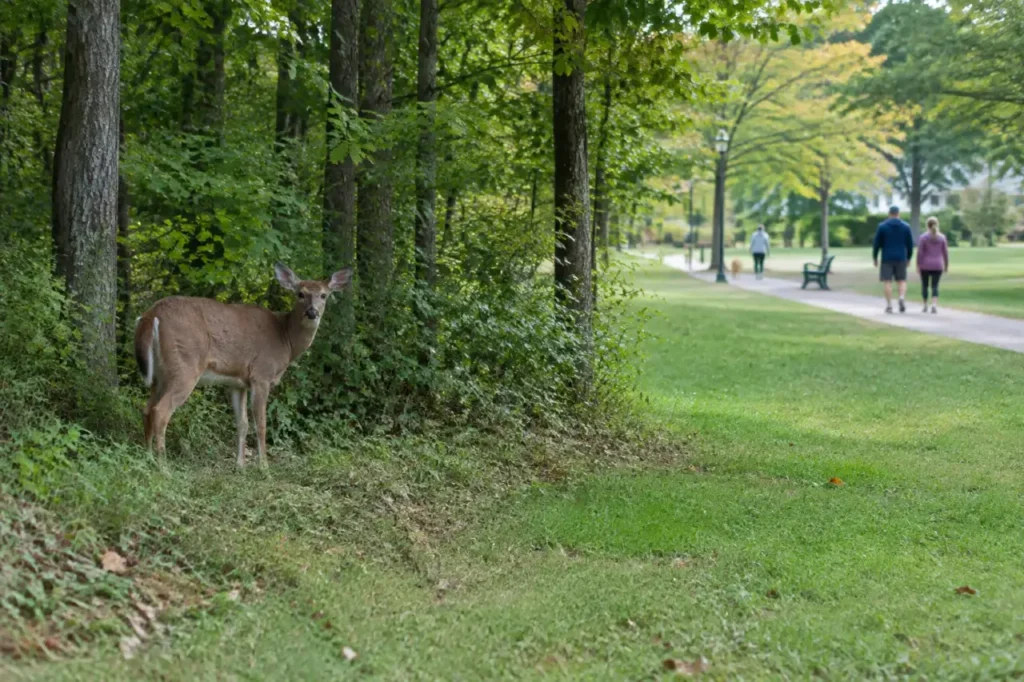
For the public, CDC identifies two practical preventive steps: avoid contact with sick-acting mammals and wildlife, and seek prompt medical care after potential bites or scratches. Anyone with another possible exposure to a rabid animal should also promptly contact a health care provider or public health department.
The announcement does not ask readers to determine for themselves whether vaccination or treatment is necessary. Instead, it directs potentially exposed people to professional guidance and asks clinicians to assess risk carefully.
CDC says proper administration of rabies vaccine and human rabies immune globulin is critical to effective protection. It also connects careful assessment and administration with avoiding unnecessary treatment, costs, and strain on supplies. The public statement is not a substitute for that clinical assessment.
When to consult the official notice
Readers should consult the linked CDC statement to review the agency’s exact announcement and its directions for additional guidance. A possible bite, scratch, or other exposure calls for prompt contact with a provider or public health department, not simply reading the announcement.
CDC specifically directs health care providers and public health departments to the official HAN advisory for detailed clinical guidance, treatment recommendations, and preventive measures. The newsroom statement summarizes the concern; the advisory is the resource CDC identifies for those professional details.
Frequently Asked Questions
Does the statement identify affected states?
No. CDC describes increases across the country during summer 2026 but does not name individual states or provide numerical totals in this statement.
What should someone do after a possible exposure?
CDC says anyone bitten, scratched, or otherwise potentially exposed to a rabid animal should promptly contact a health care provider or public health department for guidance.
Where should clinicians look for detailed guidance?
CDC directs clinicians and public health departments to its official HAN advisory for detailed clinical guidance, treatment recommendations, and preventive measures.