




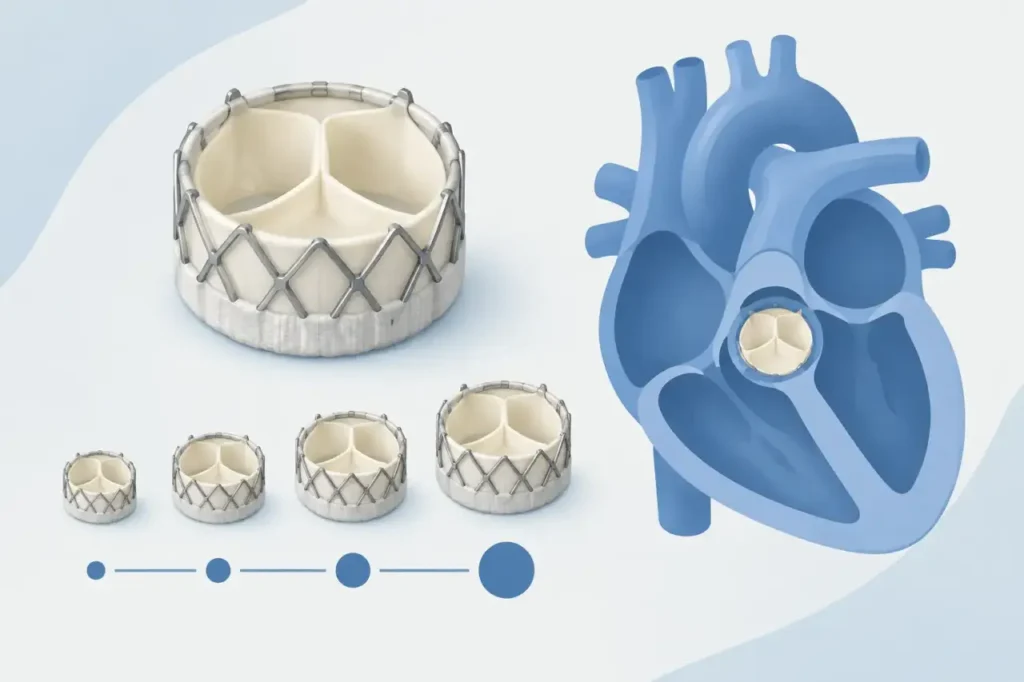
The U.S. Food and Drug Administration announced on October 1, 2026, that it approved the Autus Size-Adjustable Valve for pediatric patients with congenital pulmonary valve disease. The size-adjustable heart valve is surgically implanted and can later be expanded to accommodate a child’s growth.
In its official approval announcement, the FDA said the device may reduce the need for repeat open-heart surgeries. That potential benefit is not yet established over the long term: experience with expansion remains limited, and additional studies are underway.
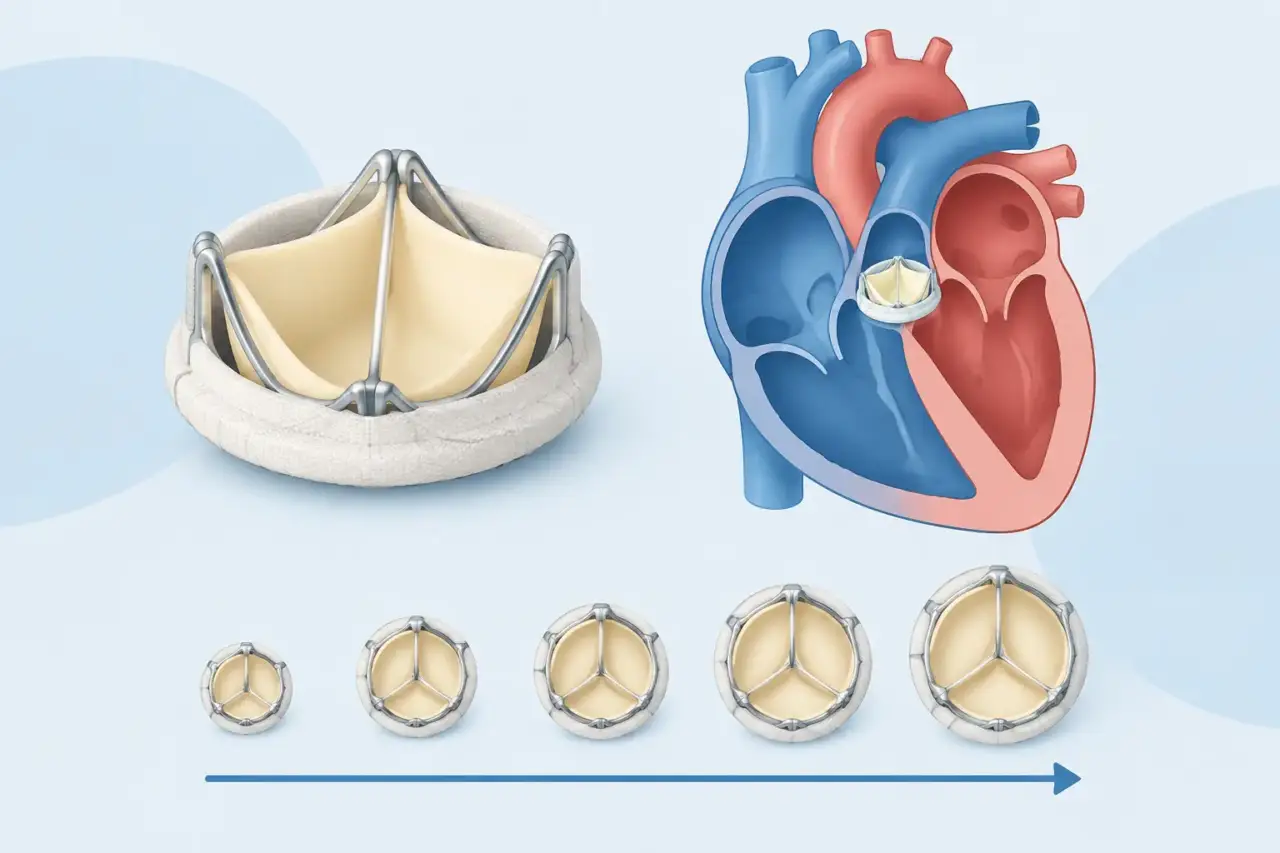
How the size-adjustable heart valve works
The Autus valve is the first heart valve designed to be expanded after implantation to keep pace with growth. It can initially measure approximately 13 millimeters in diameter, which the FDA describes as suitable for a toddler or preschool-aged child. Later, a balloon catheter—a small inflatable tube—can widen it to as much as 22 millimeters, comparable to an adult-sized pulmonary valve.
The device does not grow on its own. Its design allows expansion after the initial surgery. The FDA reported that two study participants whose valve performance began deteriorating as they outgrew the device underwent successful expansion without an invasive surgical procedure.
The valve also uses polymeric material rather than animal-derived tissue for its leaflets, the inner flaps that open and close to control blood flow. This is the first FDA approval of polymeric valve leaflets for any indication. The agency said one-year follow-up data suggest the synthetic leaflets hold up well, while longer-term research continues.
Who may be affected by the approval?
The approved use concerns children with congenital pulmonary valve disease, not every child with a heart defect. The pulmonary valve helps control blood flow from the heart to the lungs.
The FDA identified pulmonary valve stenosis, in which the valve is narrowed, and pulmonary valve atresia, in which it does not form normally, as conditions that restrict this flow. Citing the Centers for Disease Control and Prevention, the announcement said these two conditions together affect around 4,200 babies in the United States each year.
Some children may have significant pulmonary regurgitation, or backward leakage through the valve, after treatment for their congenital defects. Over time, that leakage can weaken or enlarge the right ventricle and create a need for valve replacement as the child grows. The new device offers an expandable replacement option for the approved pediatric population.
What the clinical study found
The FDA based its approval on a study enrolling 62 pediatric patients at 12 U.S. sites. At six months, the first 60 patients showed acceptable blood-flow performance through the right side of the heart and no more than mild leakage through the valve.
All study participants had a successful procedure. The agency reported no deaths, blood clots requiring additional treatment, strokes or other clot-related complications. However, three patients experienced a valve-frame fracture, and two had reduced movement of one leaflet. None of those events caused symptoms in the affected patients.
Longer-term studies are examining these risks and whether expansion can maintain a functioning valve and reduce surgical procedures. The early findings therefore support the approval but do not settle questions about durability throughout childhood.
What readers should check in the official notice
The announcement is an approval notice, not a recall or safety alert. It does not provide home-care steps, medication instructions or a patient-specific treatment plan. Readers seeking the agency’s description of the approved population, study findings, reported device problems and evidence limitations should consult the linked FDA notice.
The FDA approved the valve through its premarket approval pathway, its most stringent medical-device marketing application process. Edwards Lifesciences received the approval for the device, developed by Autus Valve Technologies Inc. For related coverage, see our overview of the FDA’s pediatric valve approval.
Related reading: FDA approves first size-adjustable heart valve for children
Frequently Asked Questions
Does the valve grow automatically?
No. It is designed to be widened using a balloon catheter after implantation as a child grows.
Will it eliminate repeat open-heart surgery?
The FDA said it may reduce repeat surgeries. Longer-term studies are still evaluating that potential benefit.
What safety concerns were reported?
The study reported three valve-frame fractures and reduced leaflet movement in two patients, without symptoms from those events. Longer-term research continues.