




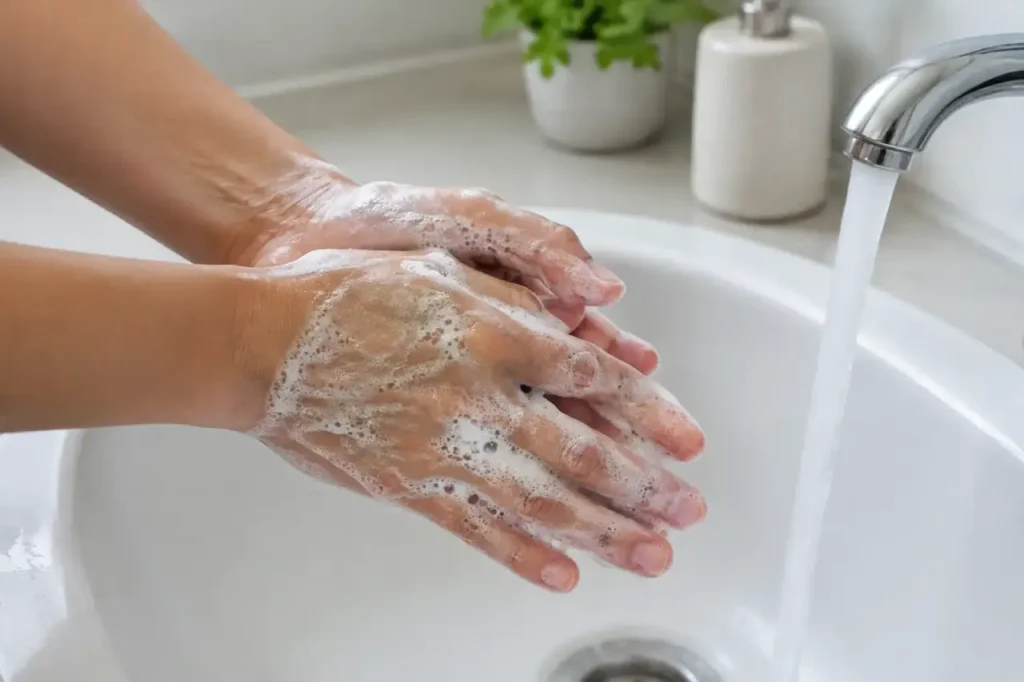
Washing your hands often is an important way to help reduce the spread of germs and prevent illness. Practicing proper handwashing means knowing both when to wash and how to clean all parts of your hands. The information is useful for everyday routines, food preparation, caregiving, contact lens use, and time spent around animals.
According to MedlinePlus guidance on handwashing, soap and running water work best. When they are unavailable, an alcohol-based hand sanitizer is an alternative.
How hands can spread germs
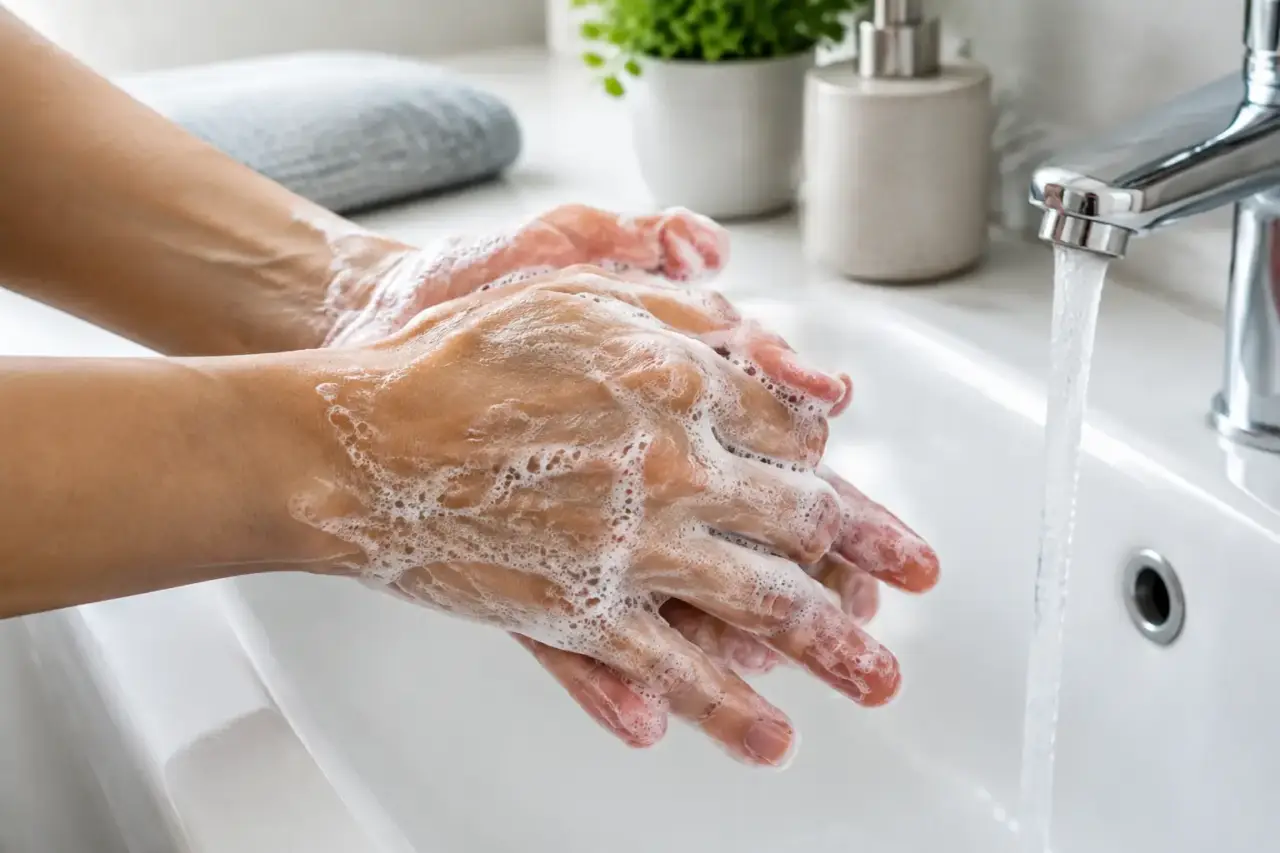
Nearly everything people touch has germs on it, including bacteria, viruses, fungi, and parasites. An object does not have to look dirty to carry germs. Touching a contaminated object and then touching your body can transfer germs to you.
Germs can also move from your hands to another person through a handshake or shared objects. Handling food or drinks with unwashed hands can pass germs to whoever consumes them.
MedlinePlus lists several illnesses whose spread handwashing can help prevent, including flu, the common cold, viral or bacterial gastroenteritis, food poisoning, hepatitis A, and Giardia infection. It also includes COVID-19 and directs readers to current federal health guidance for that illness.
When to wash your hands
Handwashing belongs at several points throughout the day—not only when your hands look dirty. MedlinePlus recommends washing:
- After using the toilet.
- After blowing your nose, coughing, or sneezing.
- Before, during, and after preparing food, and before eating.
- Before and after putting in contact lenses.
- After changing diapers, helping a child use the toilet, or cleaning up a child afterward.
- Before and after cleaning a wound or changing a dressing.
- Before and after caring for someone at home who is sick.
- After cleaning up vomit, urine, or stool.
- After touching, petting, feeding, or cleaning up after an animal.
- After touching garbage or compost.
- Whenever your hands have dirt or grime on them.
These moments matter whether you are protecting yourself, preparing food for others, or helping someone with daily care.
Steps for proper handwashing
Soap lifts dirt and germs from the skin so running water can wash them away. You can use cool or warm running water.
- Wet your hands. Turn off the tap to conserve water, then apply soap.
- Lather for at least 20 seconds. That is about the time it takes to hum “Happy Birthday” twice. Clean between your fingers, the backs of your hands, the backs of your fingers, and your thumbs. Rub your nails and cuticles into the soapy palm of the opposite hand.
- Rinse well. Turn the tap back on and rinse under running water. Turn off the tap afterward.
- Dry your hands. Use a clean towel or let them air dry.
Using hand sanitizer when needed
If soap and water are not available, use hand sanitizer containing at least 60% alcohol. Check the product label for how much to apply, then put it in the palm of one hand.
Rub the sanitizer over your hands, fingers, fingernails, and cuticles until your hands are dry. Soap and water are preferable when your hands are visibly soiled or dirty.
When to seek professional guidance
This information explains routine hand hygiene, not how to diagnose or treat an illness. The MedlinePlus handwashing page does not provide symptom-based instructions for seeking care. If you need advice about an illness, wound, or personal medical concern, ask a health care professional rather than relying on handwashing guidance alone.
Frequently Asked Questions
Do I need hot water to wash my hands?
No. MedlinePlus recommends cool or warm running water, soap, and at least 20 seconds of lathering.
Should I wash even when my hands look clean?
Yes. Germs can spread without visible dirt. Wash at key times, including before eating and after using the toilet.
What should I look for in hand sanitizer?
Choose a sanitizer with at least 60% alcohol. Follow the label for the amount and rub it over all parts of your hands until dry.


